



Pay-Per-Use Equipment Leasing

What is pay-per-use equipment leasing?
Pay-per-use equipment leasing is an agreement where the number of units changes during the term. You set a baseline fleet size, add units when demand climbs, and hand them back when it drops. Your payment moves with the count, so you pay for the fleet you run, not the peak you sized for at signing.
- Your fleet size is a variable, not a fixed commitment. Most leases lock the unit count for the term. This one does not.
- Expected operating hours are priced into the rate up front. Hours drive wear, wear drives residual value, and residual value sets your payment.
- There is no meter running behind the agreement. The usage assumption is set at the start and reviewed over the term, not billed by the hour.
- CHG-MERIDIAN sizes the baseline and the flex range with you. We have structured equipment agreements across IT, material handling, and healthcare since 1979, independent of any manufacturer or bank.
Pay-per-use is one form of equipment as a service: scalable equipment leasing that tracks your workload, not your forecast.
How does a pay-per-use lease work?
A pay-per-use agreement runs on three agreed numbers: a baseline fleet size, a flex range around it, and an expected usage level per unit. Once those are set, adding and returning equipment becomes an administrative step rather than a new negotiation.
When does pay-per-use leasing fit, and when does it not?
Flexible fleet leasing earns its cost when your equipment demand genuinely swings across the year and you can see the swings coming far enough ahead to act. Scalable equipment leasing is a feature you pay for. If your fleet size is stable, you are buying something you will not use.
| Where pay-per-use fits | Where it does not fit |
| Demand that swings seasonally or by project | Stable, year-round fleet requirements, where a standard operating lease costs less |
| Peaks you can forecast weeks or months out | Peaks with no warning, which short-term rental serves better |
| Equipment currently sitting idle for parts of the year | Fleets already running at high utilization |
| Standard, redeployable equipment | Highly specialized units that cannot be redeployed elsewhere |
| Operations paying premium short-notice rental rates at peak | Occasional single-unit needs, where a rental agreement is simpler |
| Organizations that want utilization data to size the fleet properly | Situations where the equipment count is fixed by process or line design |
We would rather tell you a standard operating lease is the cheaper answer than sell you flexibility you do not need.
How is the payment calculated when the fleet size changes?
The payment is built on residual value, and residual value depends on how hard each unit is worked. That is why expected usage is agreed at the start rather than metered afterwards.
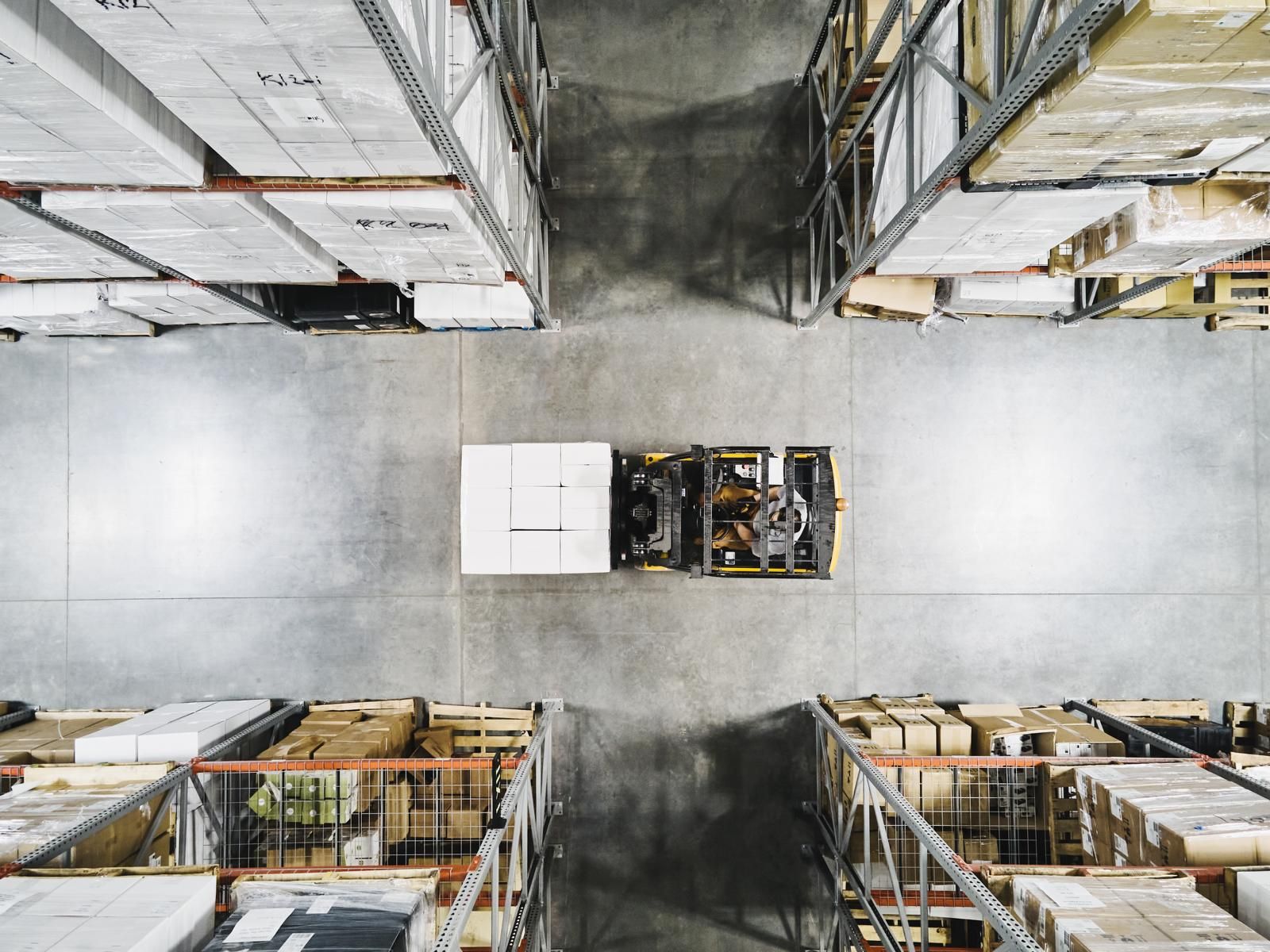
- Material handling. A forklift running 800 hours a year holds far more value after three years than the same truck running 2,400 hours across three shifts. Higher hours, lower residual, higher rate.
- IT hardware. A laptop on a three-year desk refresh holds more value than one issued to a field crew and replaced early. Deployment profile does the work that operating hours do on a forklift.
- Adding and returning units. The per-unit rate holds steady. Add four units and the invoice reflects four more at that rate. Return four and it reflects four fewer.
- Usage against assumption. Actual usage is reviewed over the term. A fleet that ran lighter holds more value at the end, which strengthens your next agreement. One that ran harder holds less.
Who could use pay-per-use equipment leasing?
Operations where order volume doubles for a quarter and then returns to baseline. Retail fulfilment, agricultural processing, and holiday-driven logistics all carry equipment through months when it is not needed.
Contractors and manufacturers whose equipment requirement is set by the project pipeline rather than by a steady production line.
Logistics providers whose fleet requirement moves with contract wins and losses, and who cannot size a permanent fleet against a client roster that changes.
Companies opening sites or scaling volume, where committing to a fixed unit count for five years means guessing.
Organizations with contractor-heavy staffing, seasonal hiring, or project teams that form and disband. Device counts follow people.
CHG-MERIDIAN manages more than $15 billion USD in assets across hundreds of equipment categories. We will look at your utilization before recommending a structure, and we will say so if a standard lease is the better answer.

How CHG-MERIDIAN structures a pay-per-use agreement
We start with what you run today, not with a product. Structuring runs in four stages.

Talk to us and discover how our expertise can benefit your business
Pay-per-use equipment leasing: frequently asked questions
Pay-per-use equipment leasing is an agreement where the number of units changes during the term. You set a baseline fleet size, add units when demand rises, and return them when it falls. The payment moves with the count. Expected usage, such as operating hours for a forklift or a deployment profile for IT hardware, is priced into the rate at the start, because usage drives wear and wear drives residual value.
Pay-per-use is a form of equipment as a service, but not the fullest form. Full equipment as a service contracts, also called machine as a service, have the provider operate the equipment or guarantee an output. That transfers operational risk, and the rate reflects it. Pay-per-use keeps the equipment under your control and scales the unit count instead, so it costs less.
The payment is built from residual value, which depends on how hard the equipment is worked. A forklift running 800 hours a year holds far more value after three years than the same truck running 2,400 hours, so it carries a lower rate. Once set, the per-unit rate stays stable. What changes is how many units are on the agreement.
The agreement sets a flex range above and below your baseline, agreed during structuring. Standard, redeployable equipment supports a wider range than specialized assets.
Per unit, usually yes, because flexibility carries a cost. Total cost across the year is the comparison that matters. If you are carrying units that sit idle for months, or paying short-notice rental rates at peak, a smaller flexible fleet often costs less overall. If your utilization is already high and steady, it will not.
It is recognized as a right-of-use asset and a lease liability, like other leases under IFRS 16 and ASC 842. The difference is that changing the number of leased assets is generally treated as a change in scope, so a lease modification rather than a change in periodic expense. That usually means remeasurement. Settle the flex frequency with your finance team during structuring.
Related Insights and Solutions
 IT Equipment Leasing and Financing
Learn more about our financing structures for IT equipment and end-user devices.
 Industrial Equipment Financing
Learn more about our leasing programs for industrial and material handling equipment.
 Healthcare Budget Optimization
Understand how we help health-systems and hospitals acquire cutting edge equipment.