
Load Carrier Leasing for the Supply Chain
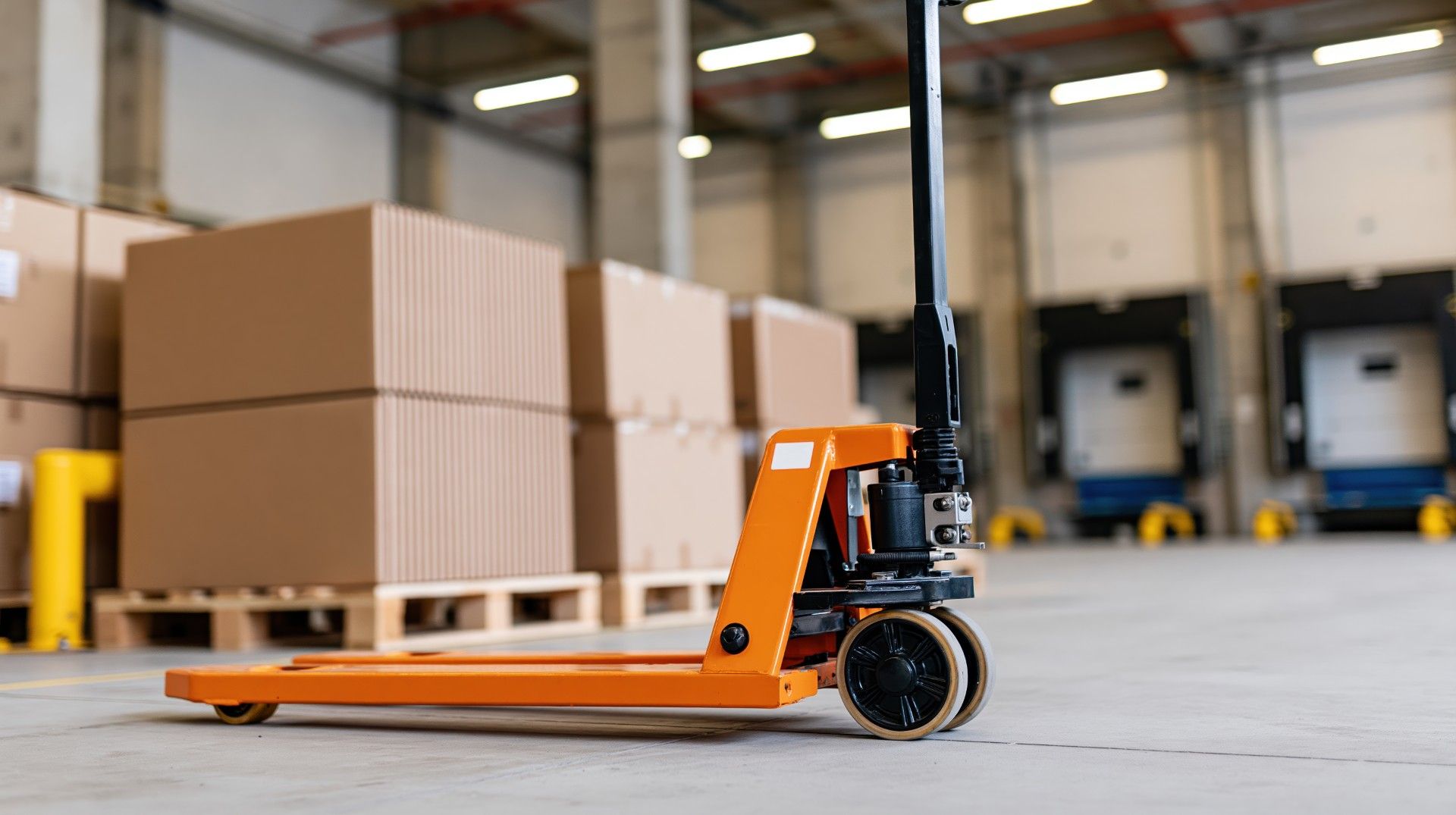
The fleet that moves your product and never gets counted
Load carriers are not a one time buy. They are a circulating pool that leaks.
- Units get damaged, lost, or stranded at customer sites
- Replacement spend hits unpredictably, whenever the pool runs short
- Every shortfall becomes a CapEx conversation you have to win again
Financing turns that constant replacement spend into a predictable cost that follows the pool, not the accident rate.
Why lease load carriers instead of buying them
Buying transport packaging means owning a pool that shrinks every quarter and replacing it out of the operating budget forever. Leasing changes what the asset is and who carries the loss.
Load carriers we finance
CHG-MERIDIAN finances load carriers across every manufacturer, from a single site pool to a fleet circulating between plants, distribution centers, and stores.
Load carriers we lease and finance include:
Two, three, and four sided roll cages, including foldable and nestable designs. The backbone of retail and distribution, and the carrier that crosses the most company boundaries.
Wheeled bases and platform trolleys that move product through production and picking. Cheap individually, and the first thing to go missing at scale.
Order picking carts, tote carts, and cage trolleys built for repeated runs between the warehouse and the vehicle.
Stackable shelf trays and beverage carriers that move goods from the line to the shelf without repacking, cutting handling and damage on the way.
Wheeled bases and adaptor pallets that let carriers run on conveyors and automated lines, so the same pool works manually and in automation.
Purpose built carriers designed around a specific part or product. These carry the highest unit cost, which makes tracking and recovery matter most.
Whether you call it load carrier leasing, roll container leasing, roll cage leasing, or dolly and trolley leasing, the agreement works the same way. You choose the carriers your product needs, and we finance and manage the pool around them.
You cannot manage a pool you cannot see
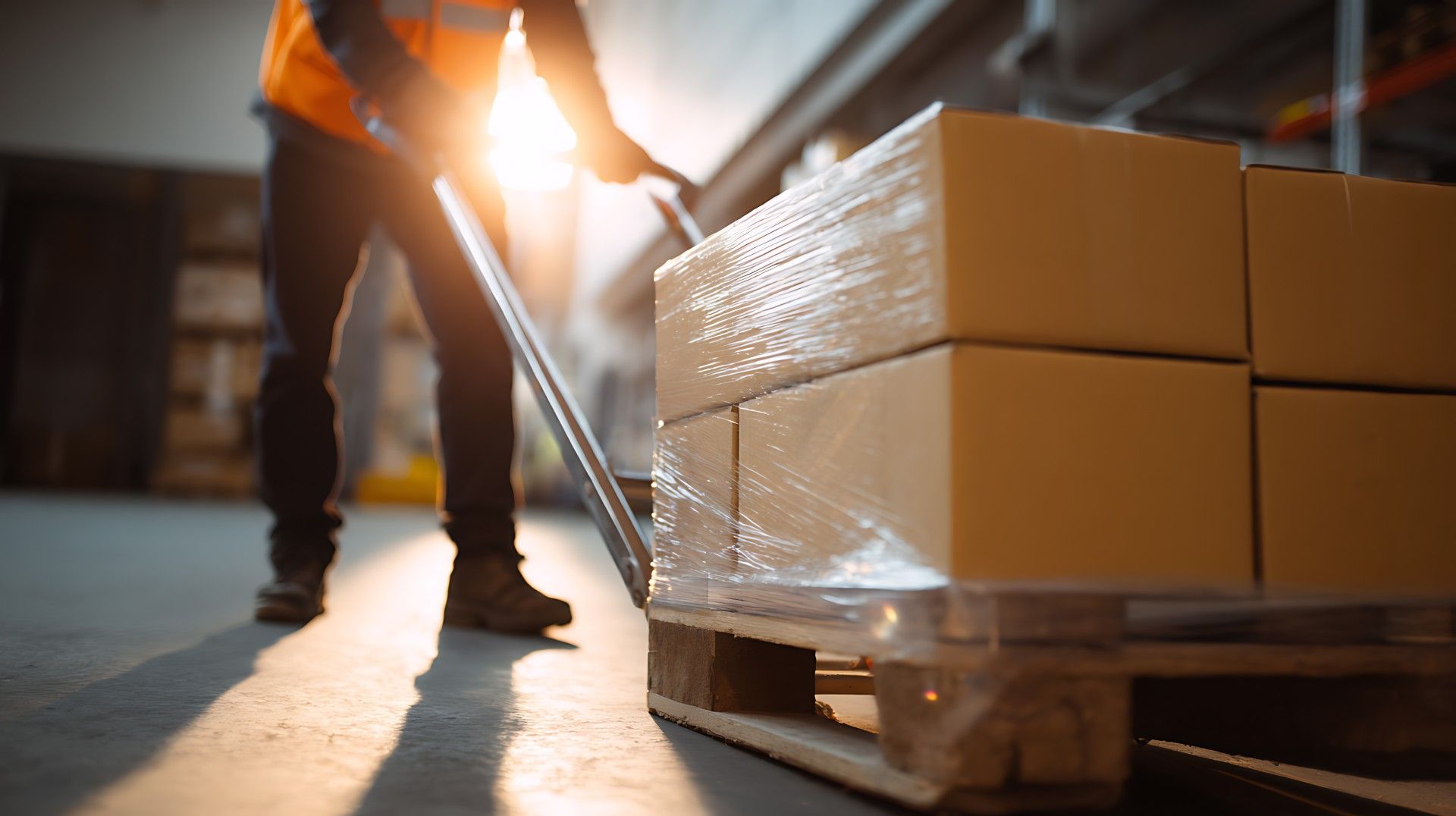
Load carriers are the only fleet you deliberately hand to other companies. They roll out with the product, sit at a customer or a depot, and come back when someone remembers. Shrinkage gets treated as a cost of doing business because nobody has the numbers to argue otherwise.
We finance the pool and track it as an asset, so the losses stop being invisible. You get a real figure for what circulates, what comes back, and what the replacement rate is actually costing you. That number is usually the first time anyone has seen it.
What does a load carrier lease include?
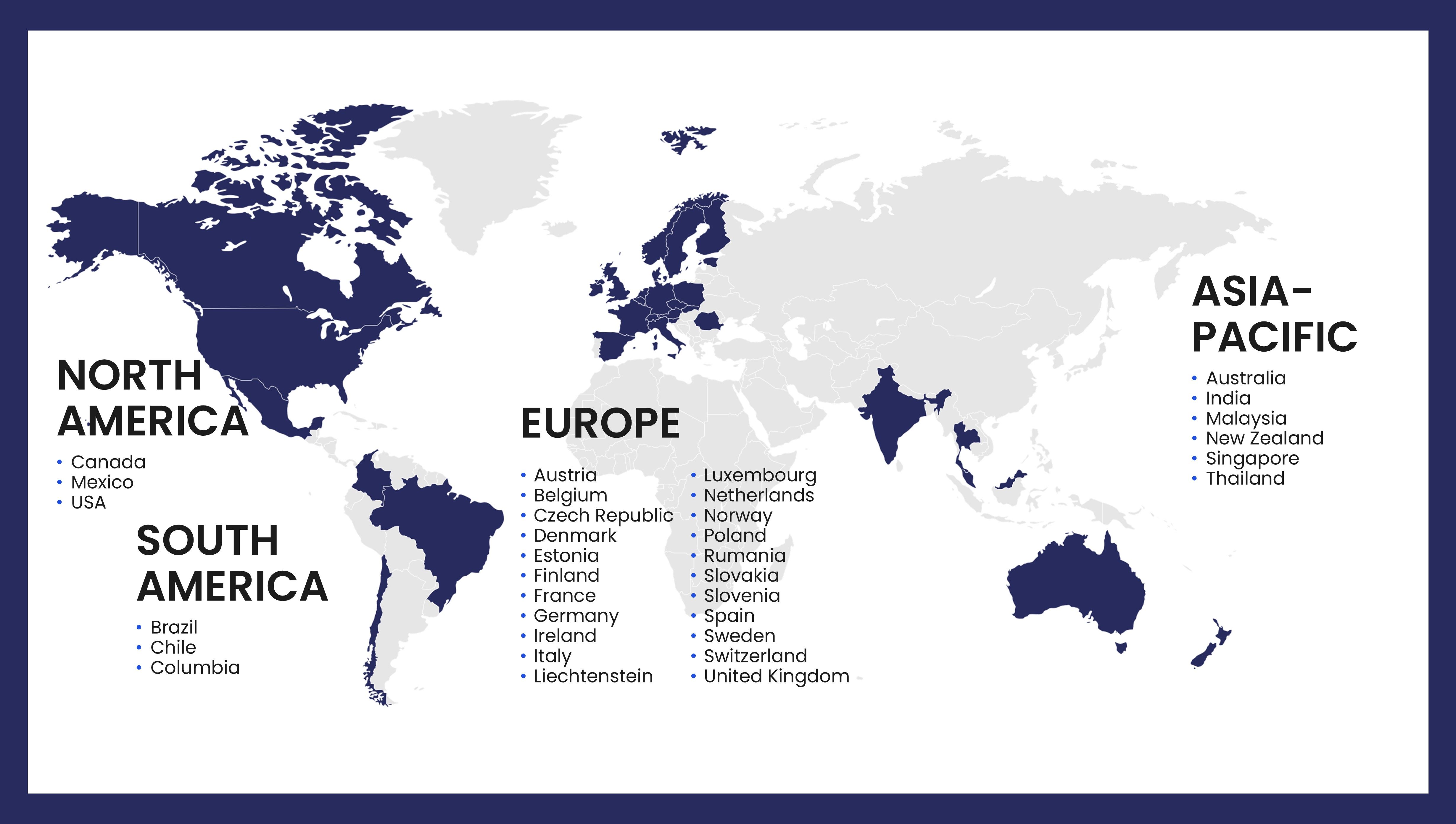
Most companies cannot say how many carriers they own or what the shrinkage is costing them. We finance the pool and track it, so the figure exists and somebody owns it.
Carriers disappear. That is not a failure, it is the nature of a fleet you hand to other people. We build the expected loss rate into the agreement, so replacement is a planned cost rather than a quarterly surprise.
Seasonal peaks and new product launches change how many carriers you need. The agreement can scale with the pool rather than leaving you short in November and overstocked in February.
Load carriers spend much of their life in other companies' buildings. We finance and track them wherever they sit, so the pool stays visible after it leaves your gate.
Worn steel and plastic carriers have genuine recovery value. We manage collection and recycling at end of life, so the material is recovered rather than scrapped.
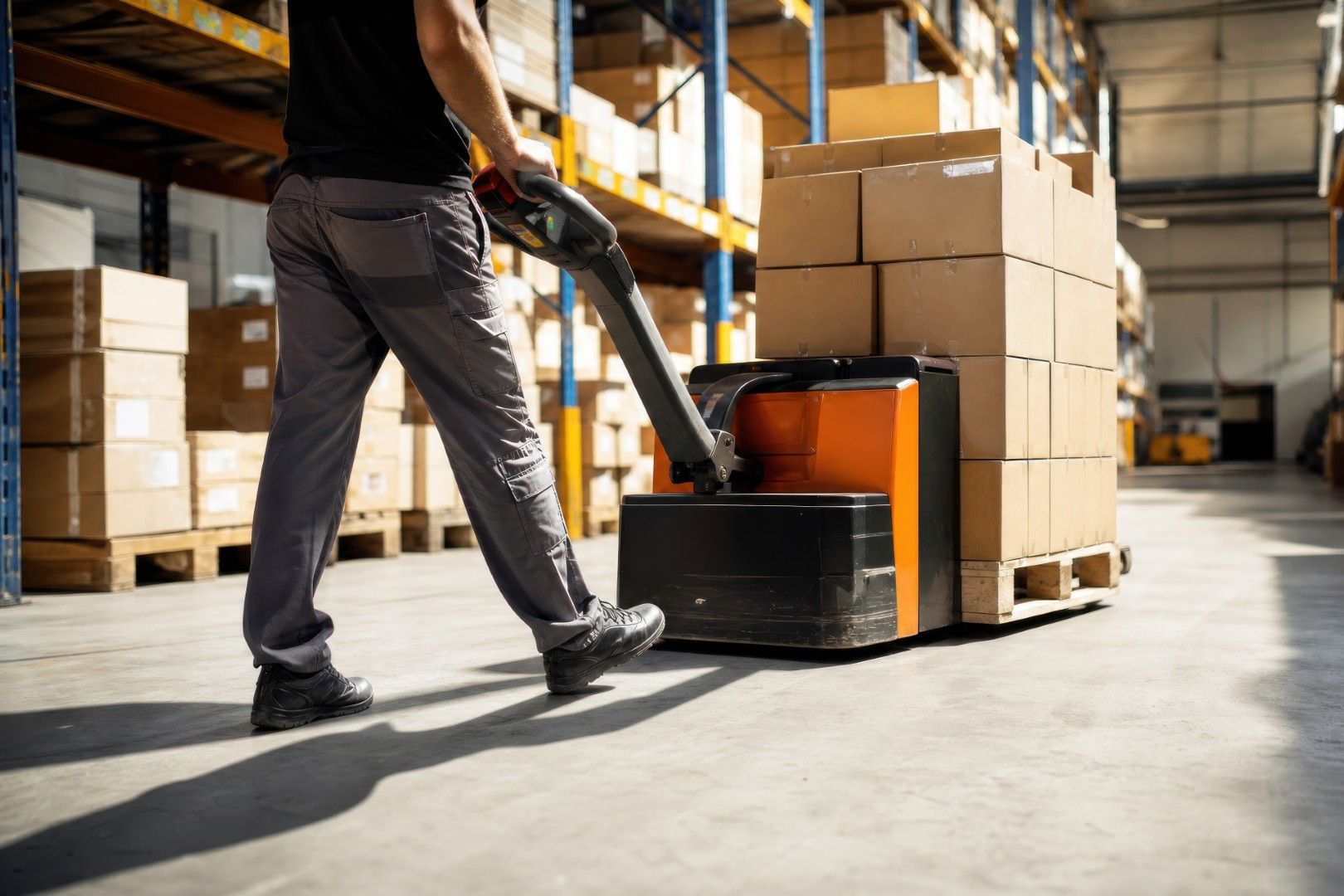
Circulating carriers rarely respect borders. We standardize the agreement across markets, so a pool moving between sites in several countries is managed as one asset, not several.

Talk to us and discover how our expertise can benefit your business
Frequently asked questions: load carrier leasing
Load carrier leasing lets you use roll cages, trolleys, dollies, and other carriers without buying them. CHG-MERIDIAN finances the pool and manages it as a circulating asset, so replacement spend becomes a predictable cost rather than an open ended one.
Roll containers and roll cages, dollies and platform trolleys, cart and cage systems, retail and beverage trays, adaptor pallets for automation, and custom product specific carriers.
Yes. CHG-MERIDIAN does not manufacture carriers and is not tied to any maker, so you choose the carriers that fit your product and process — and CHG-MERIDIAN finances them.
Loss is a normal feature of a circulating carrier pool, not an exception. CHG-MERIDIAN tracks the pool as an asset and builds the expected loss rate into the lease, so replacement is planned rather than absorbed as a surprise cost.
Worn steel and plastic load carriers have real recovery value. At end of term, CHG-MERIDIAN manages collection and recycling, so the material is recovered rather than scrapped.
Yes. Carriers often cross borders as they move between sites, depots, and customers. We run standardized agreements across 35 countries, so the pool is managed as one asset rather than a separate arrangement in each market.
Buying means owning a carrier pool that shrinks continuously and funding replacement out of the operating budget forever, usually without knowing the real cost. Leasing load carriers through CHG-MERIDIAN gives the pool a value, a tracked size, a planned loss rate, and a managed end of life.
Related insights and solutions
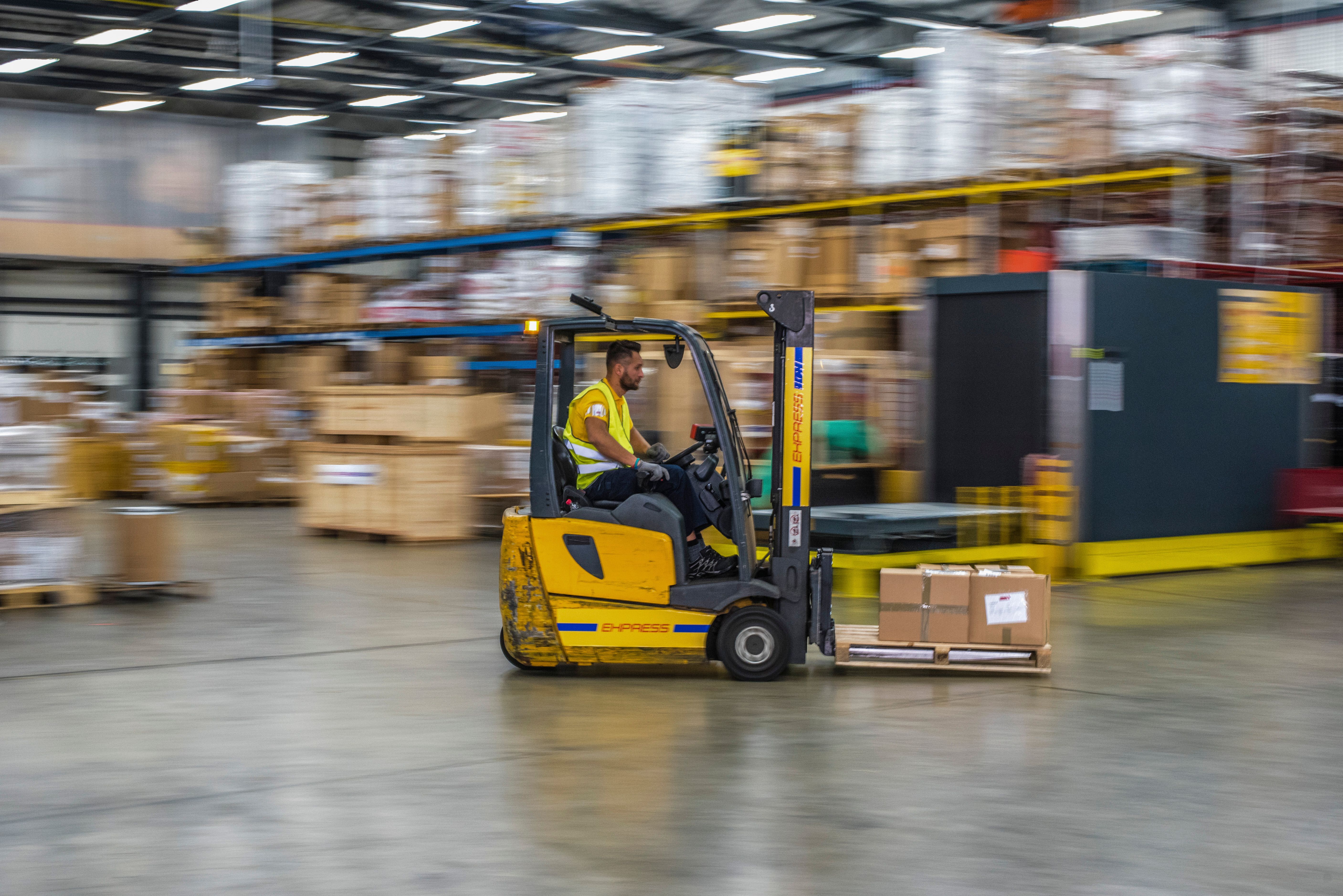 Forklift Leasing
Forklift leasing that keeps capital free, covers every truck class, and resizes the fleet as your operation changes.
Forklift Leasing
Forklift leasing that keeps capital free, covers every truck class, and resizes the fleet as your operation changes.
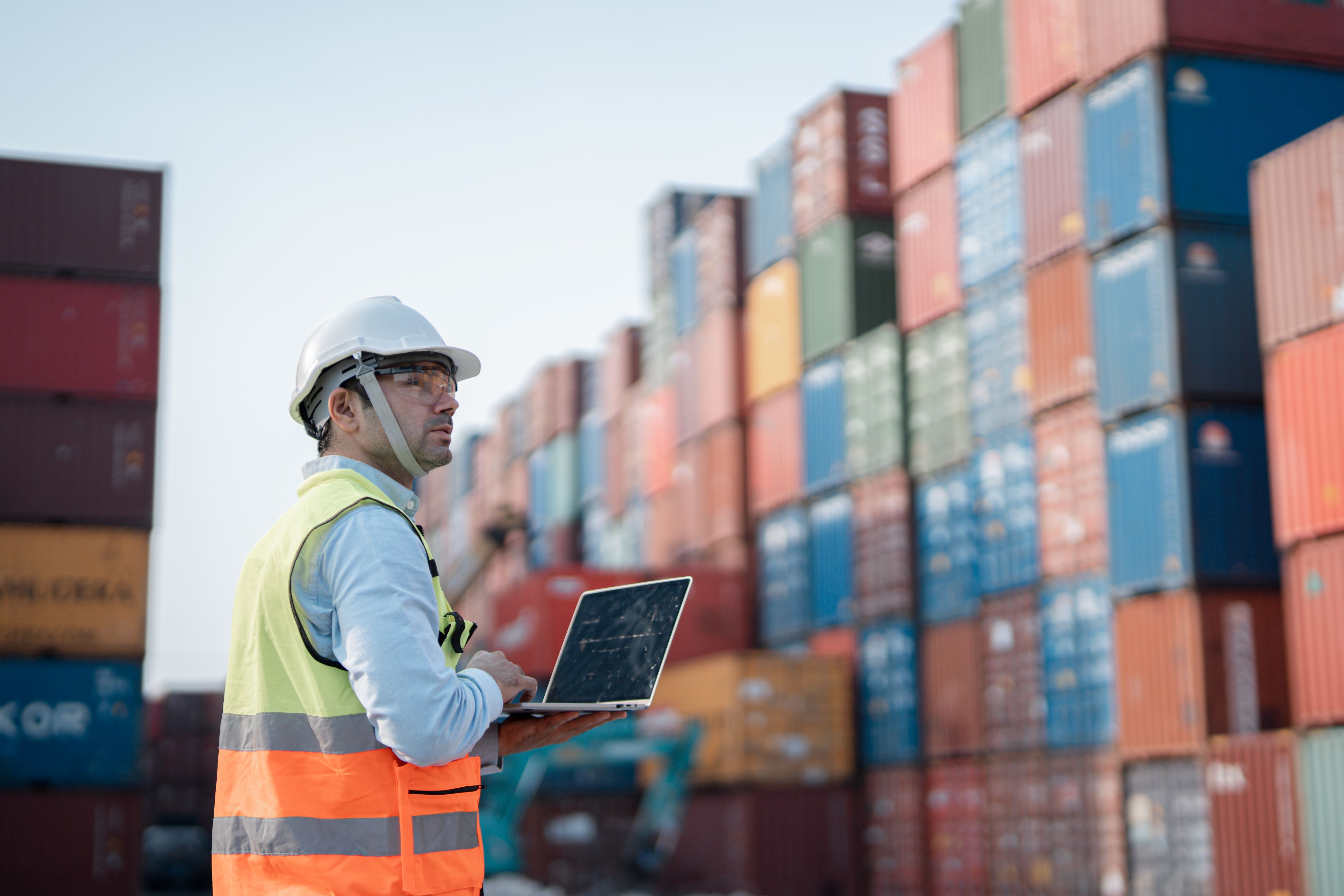 Material Handling Equipment Leasing
Lease forklifts, reach trucks, AGVs, and automation from any brand. One contract for your entire fleet.
Material Handling Equipment Leasing
Lease forklifts, reach trucks, AGVs, and automation from any brand. One contract for your entire fleet.
 Production Machinery Leasing
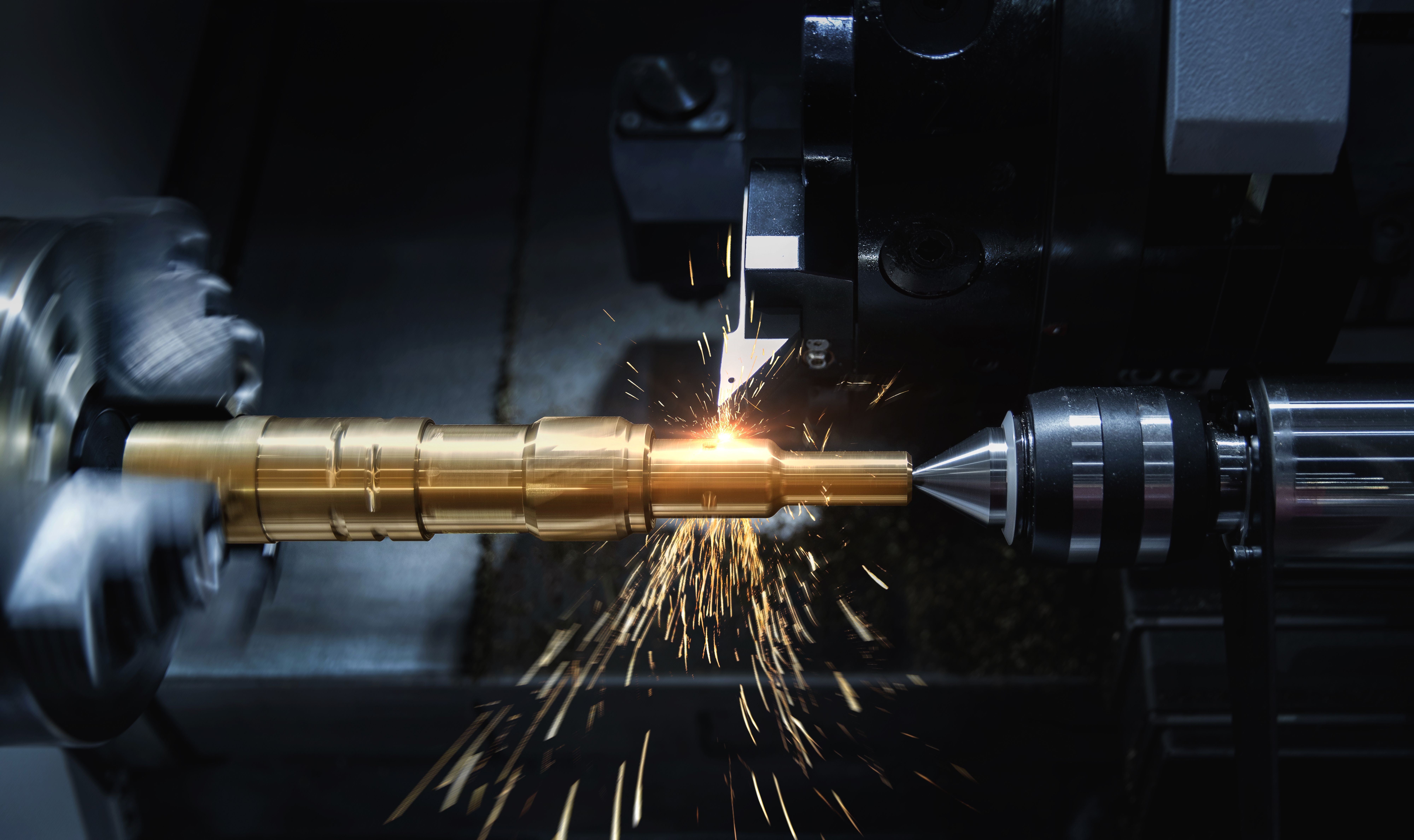
Lease CNC machines, presses, and automation from any builder. Keep capital free and re-tool as contracts change.
Production Machinery Leasing
Lease CNC machines, presses, and automation from any builder. Keep capital free and re-tool as contracts change.