
Forklift Leasing and Fleet Financing
The forklift is cheap to run and expensive to own
A forklift starts losing value the day it arrives. The wrong truck, too many trucks, or one kept a year too long all cost you the same way: downtime, repairs, and capital stuck in iron.
Forklift leasing from CHG-MERIDIAN means:
- Pay for use, not ownership: a fraction of the truck's total value
- Any brand. We're independent, so you pick the truck that fits the job
- A right sized fleet: refresh, resize, or re-mix on schedule
- We carry the ownership burden: maintenance, residual risk, disposal
Most fleets are carrying at least one of those mistakes right now, and forklift leasing is how you stop paying for it.
Why operations lease forklifts instead of buying them
A forklift fleet is a large capital commitment made against work that changes constantly. Forklift financing through a lease keeps the fleet right sized without owning trucks you have outgrown. We lease across every major brand, including Toyota, Crown, Hyster-Yale, Raymond, and Cat, so the choice of truck is always yours.
Forklifts we lease, by class
Forklifts are grouped into classes by power source and application. We lease across all of them, and across every major manufacturer. The classes below are the framework most operations use to spec a fleet.
Forklift classes we lease and finance:
Battery electric sit down trucks for general indoor use. Increasingly the default for warehousing as lithium ion replaces lead acid, which is exactly the kind of shifting technology that suits leasing over ownership.
Reach trucks, order pickers, and turret trucks built for high density racking. Specialized, expensive, and tied to a specific racking layout, so matching the truck to the building matters.
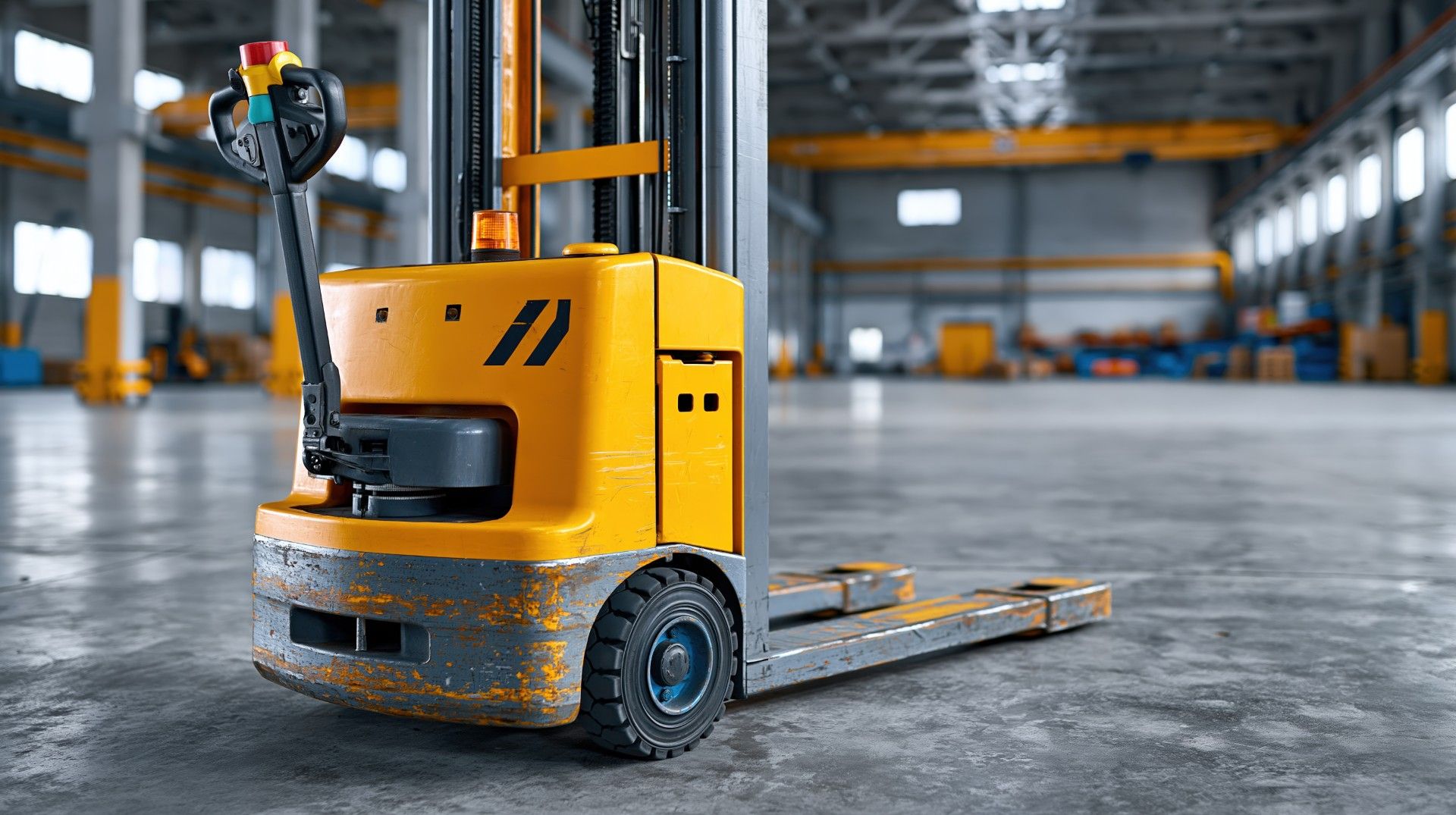
Walkie and rider pallet trucks and walk behind stackers for moving loads over short distances. High volume, high wear, and often the most numerous trucks in the fleet.
Cushion tire IC trucks for smooth indoor surfaces and dock work. Chosen where run time and quick refueling matter more than emissions.
Pneumatic tire IC trucks for yards, rough surfaces, and outdoor handling. The workhorses for heavier loads and mixed indoor and outdoor duty.
Tow tractors for train and tugger work, and rough terrain forklifts for construction and outdoor sites. Financed under the same agreement as the rest of the fleet.
Industrial cleaning machines, aerial and scissor lifts, yard trucks, and tuggers: all the other vehicles used in intralogistics and production environments. Financed under the same agreement as the numbered classes above, with no separate program or dedicated page required.
Whether it is electric forklift leasing, lift truck leasing, or a mixed class fleet, the agreement works the same way. You choose the trucks the work requires, and we finance the fleet around them.
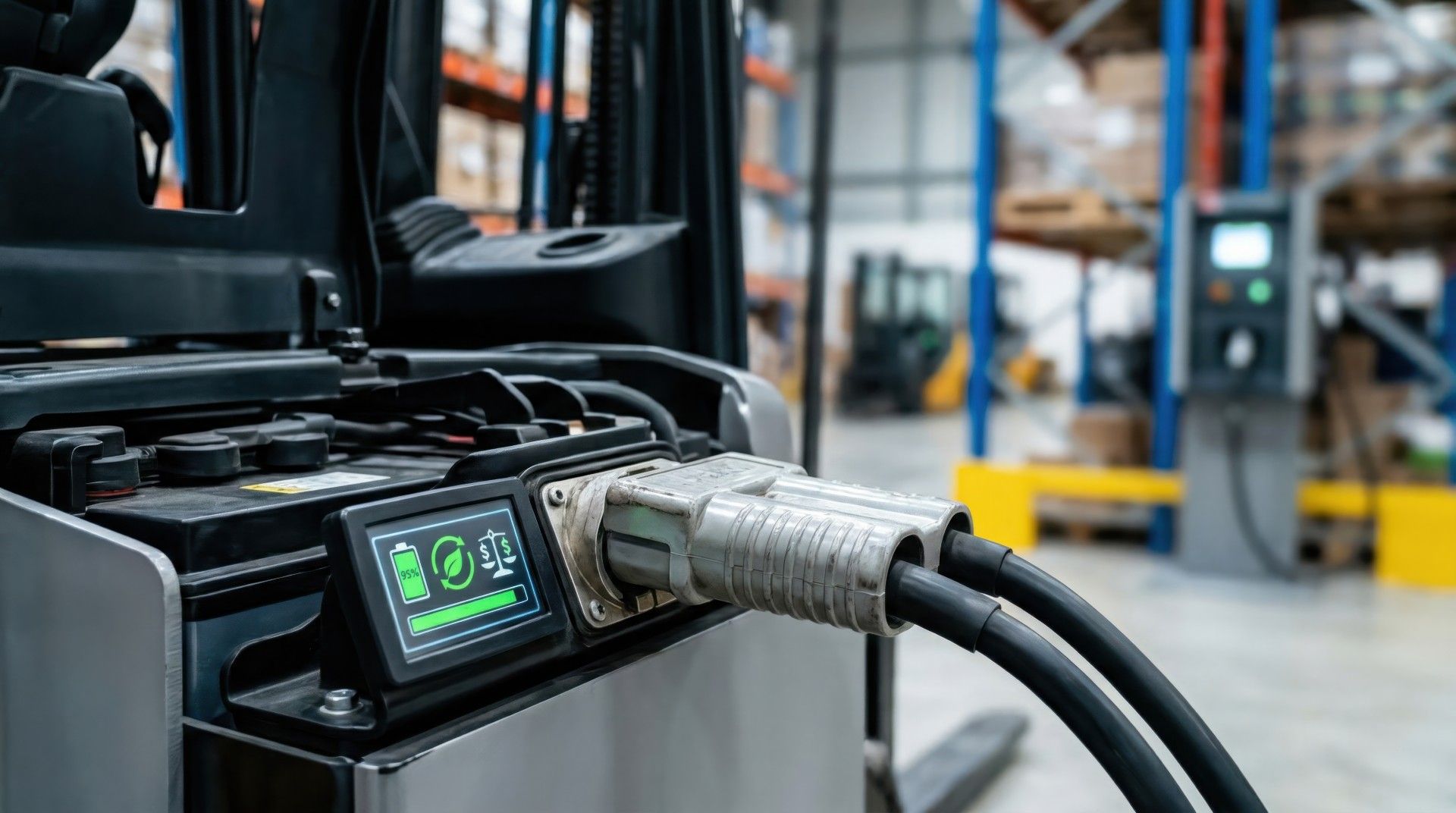
Electric forklift leasing when the technology is still moving
Forklift power is in the middle of a shift. As Lithium ion is a fast emerging lead acid alternative, electric is taking work that used to need internal combustion, and the economics change every model year. Buying a fleet outright in the middle of that is a bet on today's technology staying current.
Leasing takes that bet off the table. You run the current generation now, and because we carry the residual value risk, moving to the next one is a planned refresh rather than a write down. That is the whole argument for leasing a fast moving asset, and forklifts are becoming one.
How does forklift leasing with CHG-MERIDIAN work?
We do not sell forklifts and we are not tied to any maker. You spec the truck the aisle and the load demand. We finance it, whatever the brand.
Forklift pricing varies widely between dealers and regions. We handle the sourcing across brands and bring the fleet under one agreement, instead of one deal per dealer.
Most operations cannot say how many trucks they run, how old they are, or what each one costs. tesma, our asset management platform, keeps every truck, contract, and cost in one place, so the fleet finally has a number.
A truck on a single shift and a truck running three shifts do not wear at the same rate. We structure the term around real utilization, so you are not replacing on an arbitrary calendar.
Forklifts get expensive to run as they age. We plan the refresh so trucks cycle out before maintenance costs climb, rather than after.
Used forklifts have a real resale market that most company operations are not set up to work. We manage the return, remarketing, or recycling, so operations can focus on keeping the business running smoothly.

Talk to us and discover how our expertise can benefit your business
Frequently asked questions: forklift leasing
The terms get used interchangeably, but they work differently. With financing, you pay 100% of the truck's value plus interest and own it outright at the end, there's no other option. With a fair market value lease, you pay less than the full asset value, typically 70 to 80%, because CHG-MERIDIAN takes on the residual value risk. At the end of the term, you choose to return the truck, extend the lease, or purchase it.
The terms overlap. Forklift financing and a forklift lease both let you use the truck without buying it outright. With a fair market value lease, CHG-MERIDIAN owns the residual value risk and you pay for use, with the option to return, extend, or buy at the end of the term.
Yes. We are independent of every forklift maker, so we lease across every major brand, including Toyota, Crown, Hyster-Yale, Raymond, and Cat. You choose the truck that fits the job, and we finance it.
We lease across all forklift classes: electric counterbalance trucks, narrow aisle reach and order picker trucks, electric pallet trucks and stackers, internal combustion cushion and pneumatic tire trucks, and tow tractors and rough terrain forklifts.
Buying can make sense for a truck you will run at steady utilization for its full life. A forklift lease makes sense when volumes change, when you want to refresh the fleet regularly, or when you would rather keep capital free. Your finance team should weigh the accounting treatment against your reporting standards.
Yes, and it is one of the strongest cases for leasing. Forklift power is shifting from lead acid to lithium ion and from internal combustion to electric, so leasing lets you run the current technology and move to the next generation as a planned refresh rather than a write down.
You can return it, extend the agreement, or purchase it. If you return it, we manage the remarketing or recycling, so the residual value is recovered rather than lost.
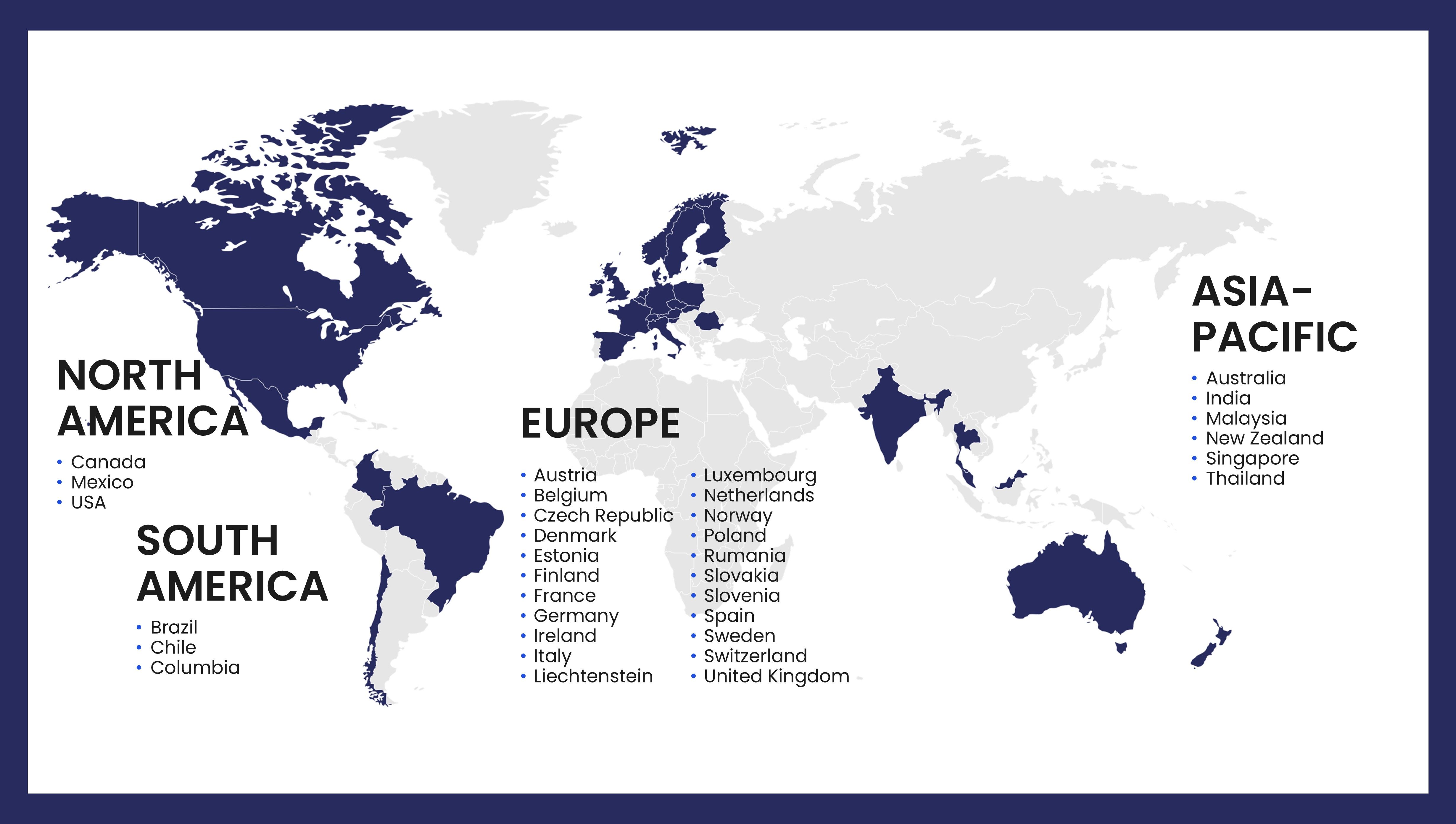
Yes. We run standardized financing and contract management across 35 countries, so a forklift fleet spread across several plants or markets follows one process instead of a separate arrangement in each.
Related insights and solutions
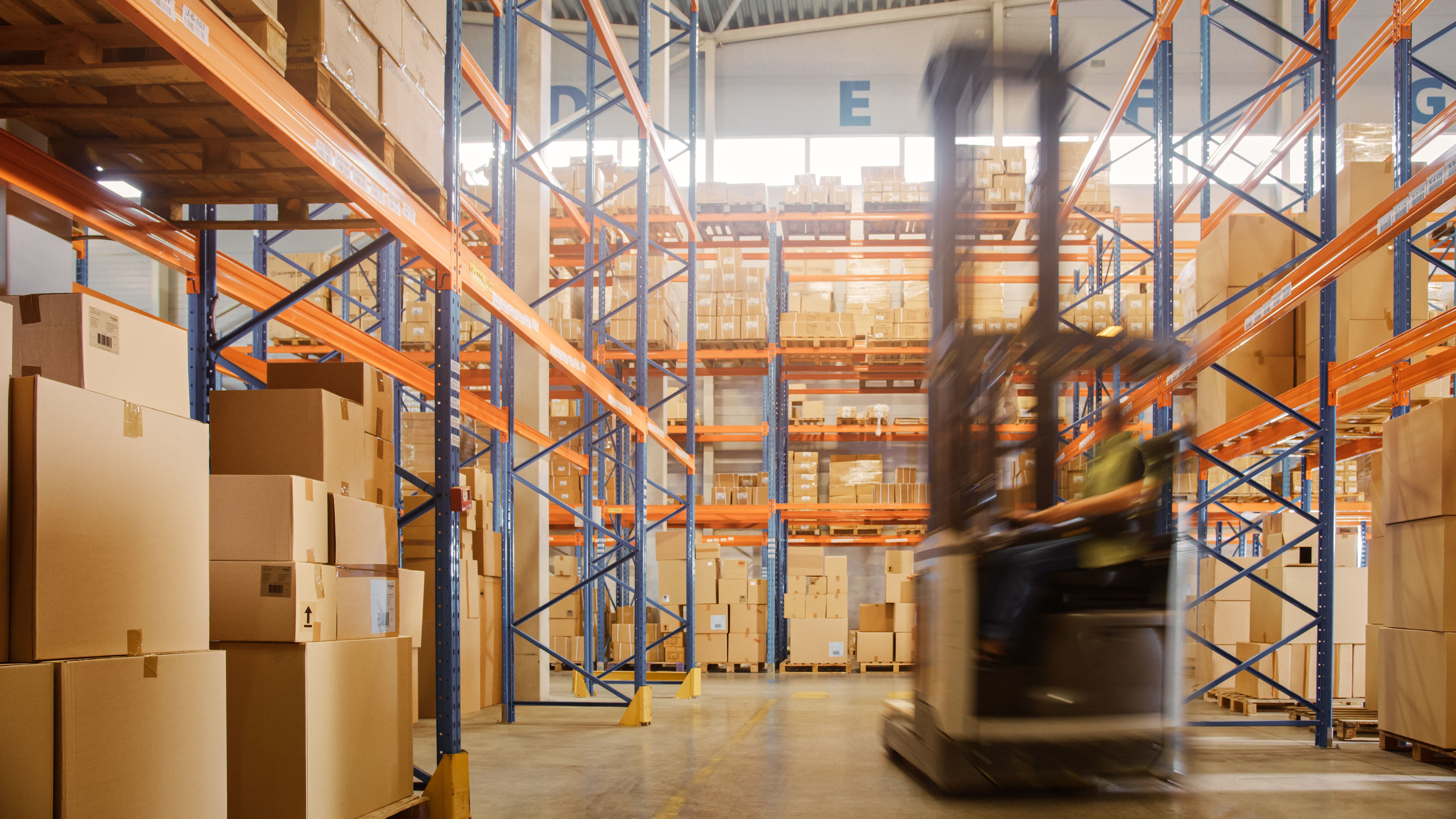 Warehouse Vehicle Leasing
Lease forklifts and material handling fleets with flexible terms, full lifecycle management, and certified end-of-use.
Warehouse Vehicle Leasing
Lease forklifts and material handling fleets with flexible terms, full lifecycle management, and certified end-of-use.
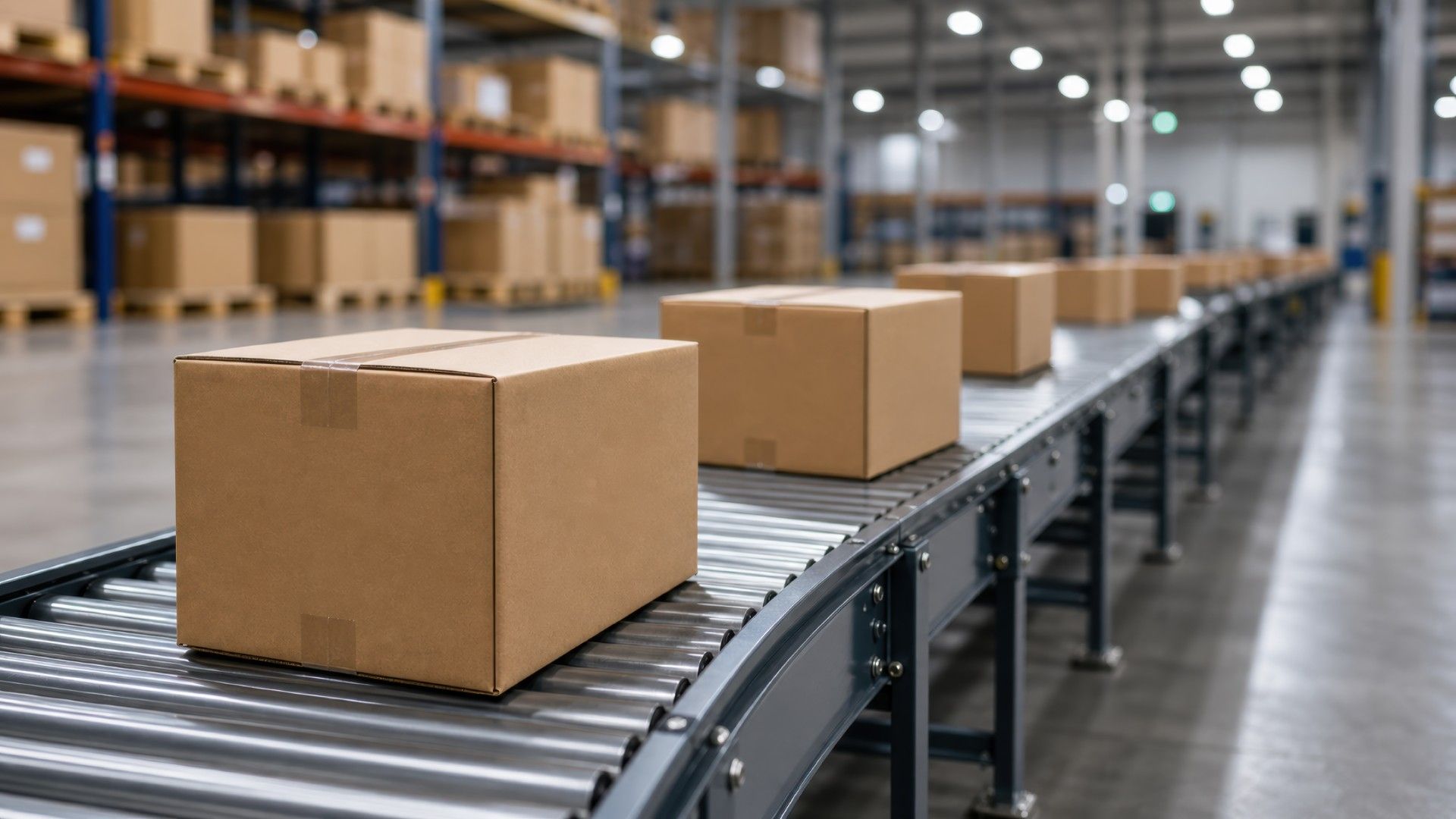 Warehouse Automation Leasing
Lease racking, conveyors, and automation from any manufacturer under one contract—no capital outlay required.
Warehouse Automation Leasing
Lease racking, conveyors, and automation from any manufacturer under one contract—no capital outlay required.
 Load Carrier Leasing
Lease roll cages, trolleys, and dollies from any maker, and turn constant replacement spend into a predictable cost.
Load Carrier Leasing
Lease roll cages, trolleys, and dollies from any maker, and turn constant replacement spend into a predictable cost.