Enterprise refurbishment is not the same as buying Second-Hand
Refurbishment is often misunderstood. Rather than simply extending the life of a used device, enterprise refurbishment is about restoring technology to a standard that supports business performance, security, and operational reliability.
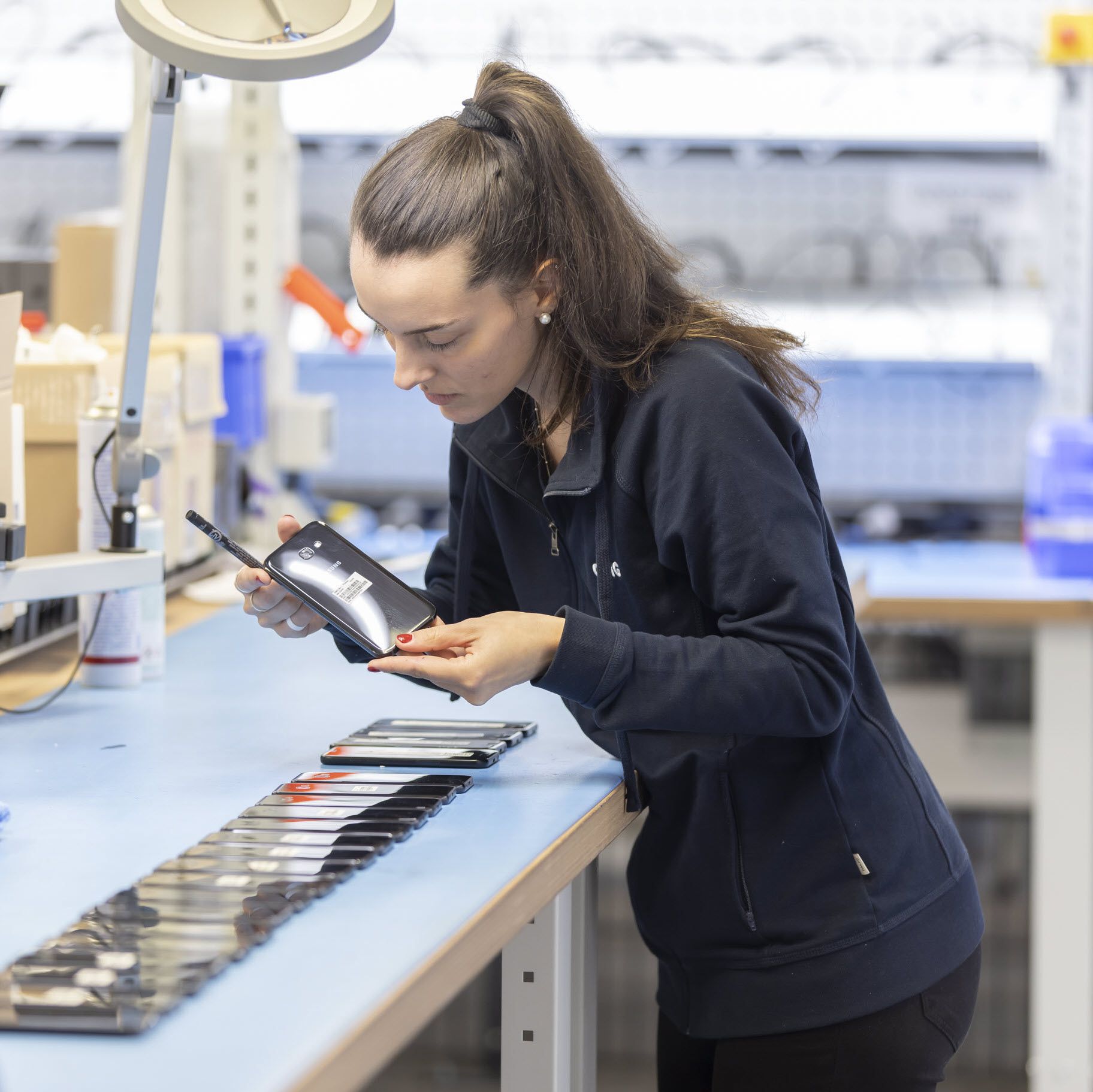
Before a device is redeployed, it typically goes through a structured process that includes certified data erasure, comprehensive diagnostics, quality testing, cosmetic grading, and replacement of components where necessary.
The objective is not simply to resell a device, it is to prepare it for another productive lifecycle while meeting enterprise requirements for performance, security, and reliability.
The quality of the refurbishment process, not the age of the device, is what determines whether it is suitable for business use.
Reliability depends on process, not age
One of the biggest misconceptions is that newer automatically means more reliable. In reality, reliability depends on how a device has been managed throughout its lifecycle.
A professionally refurbished enterprise device has been inspected, tested, and verified before deployment. Many organizations already use refurbished devices successfully for everyday business applications, knowledge workers, project teams, and temporary workforces.
Like any IT asset, success depends on choosing the right device for the right use case. Not every workload requires the latest hardware.
The conversation around refurbished technology is changing
The conversation around refurbished technology is changing. It is no longer driven primarily by cost, it is driven by business needs. Several market trends are encouraging organizations to rethink where refurbished technology fits within their IT strategy:
Refurbished devices are about flexibility, not just cost
Cost savings are often part of the discussion, but they are not always the main driver behind choosing refurbished technology. The greater advantage lies in the flexibility it provides.
Enterprise-grade refurbished devices can help organizations:
- Keep projects moving when new hardware has long lead times.
- Support temporary employees or contractors without unnecessary long-term investment.
- Bridge technology gaps during large refresh projects.
- Respond more quickly to changing business needs.
- Extend the value of existing technology investments through circular lifecycle management.
In other words, refurbished technology is increasingly being used as a strategic tool, not simply as a budget alternative.
Security and governance matter more than ever
For enterprise organizations, security is non-negotiable. That is why it is essential that refurbished devices come from partners with documented processes for certified data erasure, asset tracking, quality assurance, and compliance.
A circular IT strategy should strengthen governance, not compromise it. Organizations should evaluate refurbishment partners with the same rigor they apply to any other critical technology supplier.
The future is about lifecycle thinking
Technology is evolving faster than ever. AI, hybrid work, and changing business demands are shortening planning cycles and increasing the need for agility.
As a result, leading organizations are moving beyond the traditional mindset of new versus used. Instead, they are focusing on lifecycle value, making smarter decisions about how technology is acquired, managed, redeployed, and renewed throughout its entire lifespan.
Refurbished technology is not replacing new technology. It is becoming an important part of a more resilient, flexible, and circular approach to enterprise IT. And for organizations looking to build future-ready technology strategies, that is a conversation worth having.
Frequently Asked Questions
Yes. Professionally refurbished enterprise technology can meet the requirements of many business environments when it is managed through structured refurbishment and lifecycle processes.
Enterprise-grade refurbished devices typically undergo comprehensive testing, quality checks, secure data erasure, and preparation before being redeployed. This ensures they can deliver reliable performance, security, and usability for a wide range of business applications.
However, suitability depends on the intended use case. Not every employee or role requires the latest generation of hardware. Many everyday business activities, such as administration, communication, collaboration, customer support, and standard office applications, can be effectively supported by high-quality refurbished devices.
By matching the right device to the right user and workload, organizations can optimize technology investments, improve flexibility, and ensure that employees have the tools they need without automatically choosing the newest available hardware for every role.
Yes, when they are managed through certified security processes.
Security depends on proper lifecycle management, including secure data erasure, asset tracking, and documented handling procedures.
Refurbished technology plays an important role in helping organizations build more sustainable IT strategies by extending the useful life of devices and reducing the need for new hardware production.
Every device that is kept in use for longer contributes to a more circular approach to technology management. By refurbishing and redeploying enterprise devices, organizations can help reduce electronic waste, make better use of existing resources, and lower the environmental impact associated with manufacturing new equipment.
Refurbished IT equipment can help organizations improve flexibility, optimize costs, and support sustainability goals. It provides access to reliable enterprise-grade devices, helps reduce hardware procurement delays, extends technology lifecycles, and enables businesses to match the right devices to specific user needs.

Ready to future-proof your IT strategy? Get in touch with our experts.
Discover more
 How to Achieve IT Budget Certainty Amidst Market Volatility
Dealing with unpredictable IT costs? Discover key considerations and practical steps that businesses can do now to improve budget predictability amidst market volatility.
How to Achieve IT Budget Certainty Amidst Market Volatility
Dealing with unpredictable IT costs? Discover key considerations and practical steps that businesses can do now to improve budget predictability amidst market volatility.
 Short-term lease of used devices
Not every IT challenge requires an immediate long-term commitment. Sometimes, what organisations need most is flexibility: a way to maintain business continuity while creating space to make smarter strategic decisions. Access to enterprise-grade refurbished devices through short-term leasing can offer exactly that.
Short-term lease of used devices
Not every IT challenge requires an immediate long-term commitment. Sometimes, what organisations need most is flexibility: a way to maintain business continuity while creating space to make smarter strategic decisions. Access to enterprise-grade refurbished devices through short-term leasing can offer exactly that.
 Why More Organizations Are Looking Beyond Traditional Technology Ownership
For decades, owning IT equipment has been the default model for most organizations. Devices were purchased, depreciated, and replaced in relatively predictable cycles. This approach worked well in a world where technology evolved more slowly and business requirements were easier to forecast. That world no longer exists.
Why More Organizations Are Looking Beyond Traditional Technology Ownership
For decades, owning IT equipment has been the default model for most organizations. Devices were purchased, depreciated, and replaced in relatively predictable cycles. This approach worked well in a world where technology evolved more slowly and business requirements were easier to forecast. That world no longer exists.