
 How to Manage a Multi-Site Forklift Fleet
This guide is written for operations, logistics, and procurement leaders managing material handling equipment at scale.
How to Manage a Multi-Site Forklift Fleet
This guide is written for operations, logistics, and procurement leaders managing material handling equipment at scale.
Author: Philip Rosenmüller, Head of Fleet Management & Consulting, CHG-MERIDIAN
Updated: May 18, 2026
Author Bio: Philip Rosenmüller is Head of Fleet Management and Consulting at CHG-MERIDIAN, where he advises enterprise organizations on fleet economics, equipment lifecycle strategy, and total cost of ownership across industrial and material handling operations. His work has contributed to peer-reviewed academic research on forklift and intralogistics cost modeling, and his insights span fleet programs across Europe, North America, and global multi-site operations. He is a published and featured contributor in Supply and Demand Chain Executive, Modern Materials Handling, and Supply Chain Magazine.
Key Takeaways
- Forklift leasing under a fair market value (FMV) operating lease transfers residual value risk to the lessor, converting capital expenditure into a predictable operating cost
- Lease terms structured around operating hours and duty cycle outperform calendar-based terms because equipment use intensity determines economic lifespan more accurately than time alone
- Independent lessors offer multi-brand fleet flexibility and stronger remarketing capability than OEM financing programs
- The optimal lease exit point is before the equipment cost curve steepens, not after maintenance costs have already begun climbing
- A lessor with fleet lifecycle visibility gives you the data to replace equipment proactively rather than reactively
What Forklift Leasing Actually Is
There are two structures you'll encounter: finance leases and operating leases. They behave very differently.
- A finance lease is essentially a loan in another form. You take on the depreciation, you carry the residual value risk, and at the end of the term, you typically own the equipment. It shows up on your balance sheet.
- An operating lease works differently. You're paying for the right to use the equipment over a defined term. At end of lease, the equipment goes back. The lessor — not you — absorbs the residual value risk. For most fleet operations, this is the more strategic structure: you're not betting on what a five-year-old forklift will be worth when you're done with it.
- Fair market value (FMV) leases fall within this operating lease category. They're structured so that the lease payments reflect the actual use of the asset over its productive life, and the lessor retains the downstream risk of remarketing the equipment when the term ends.
When Leasing Makes More Sense Than Buying
Buying forklifts outright makes sense in a narrow set of circumstances: highly customized equipment with no secondary market, or assets with useful lives that genuinely exceed any reasonable lease term. For most standard forklift applications, the math points elsewhere.
Here's where leasing tends to win:
- Capital preservation. A fleet of 20 forklifts represents a significant capital outlay. Leasing converts that capital expenditure into a predictable operating cost, freeing up capital for headcount, facility investment, or systems.
- Fleet flexibility. Buying locks you into a specific fleet composition at a specific point in time. Lease structures allow you to adjust fleet size and equipment mix as volume, facility layout, and operational requirements evolve.
- Avoiding the cost curve. Forklift ownership costs don't distribute evenly over time. The first few years are typically clean. By year four or five, maintenance costs start climbing. By year six or seven, you're often spending disproportionately to keep equipment running that is delivering less throughput than it was at peak. Owning the equipment means riding that cost curve all the way down. A well-timed lease exit means you don't and can stop responsive ordering of forklifts.
- End-of-life handling. Remarketing used industrial equipment is a job. Finding buyers, negotiating disposal, managing logistics — for most operations, this is not a core competency. A lessor with strong remarketing capability handles this on their end. You return the equipment and move on.
How to Match Lease Term to Equipment Lifecycle
This is where most forklift lease strategy go wrong. Terms get set based on what the financing looks like at a given payment level, not on when the equipment will actually reach the end of its productive life.
The right anchor is operating hours and duty cycle, not calendar time. Two identical forklifts, one running a single shift and one running double shifts, will reach their economic end-of-life at very different points on the calendar.
Here are the benchmarks we use as starting points:
- Counterbalanced forklifts (electric, diesel, LPG): Economic useful life typically falls between 10,000 and 20,000 operating hours depending on application and environment. Plan to begin the fleet refresh process around 12,000 hours, with a target replacement threshold of approximately 15,000 hours.
- Reach trucks: Higher operating intensity affects TCO more acutely. Plan for replacement in the range of 10,000 to 15,000 hours, initiating the sourcing process around 10,000 hours.
- Pallet stackers and pallet trucks: Shorter economic lifecycles. Replacement should be planned between 8,000 and 12,000 operating hours, with sourcing initiated around 8,000 hours.
- Sideloaders (electric, diesel, LPG): Similar lifespan to counterbalanced forklifts — 15,000 to 20,000 hours — though application-specific conditions vary this significantly.
- Conveyor and sortation systems: Lifecycle is less hours-driven and more duty-cycle dependent. Generally structured over longer terms — often 7 to 10 years — based on throughput load and maintenance cadence.
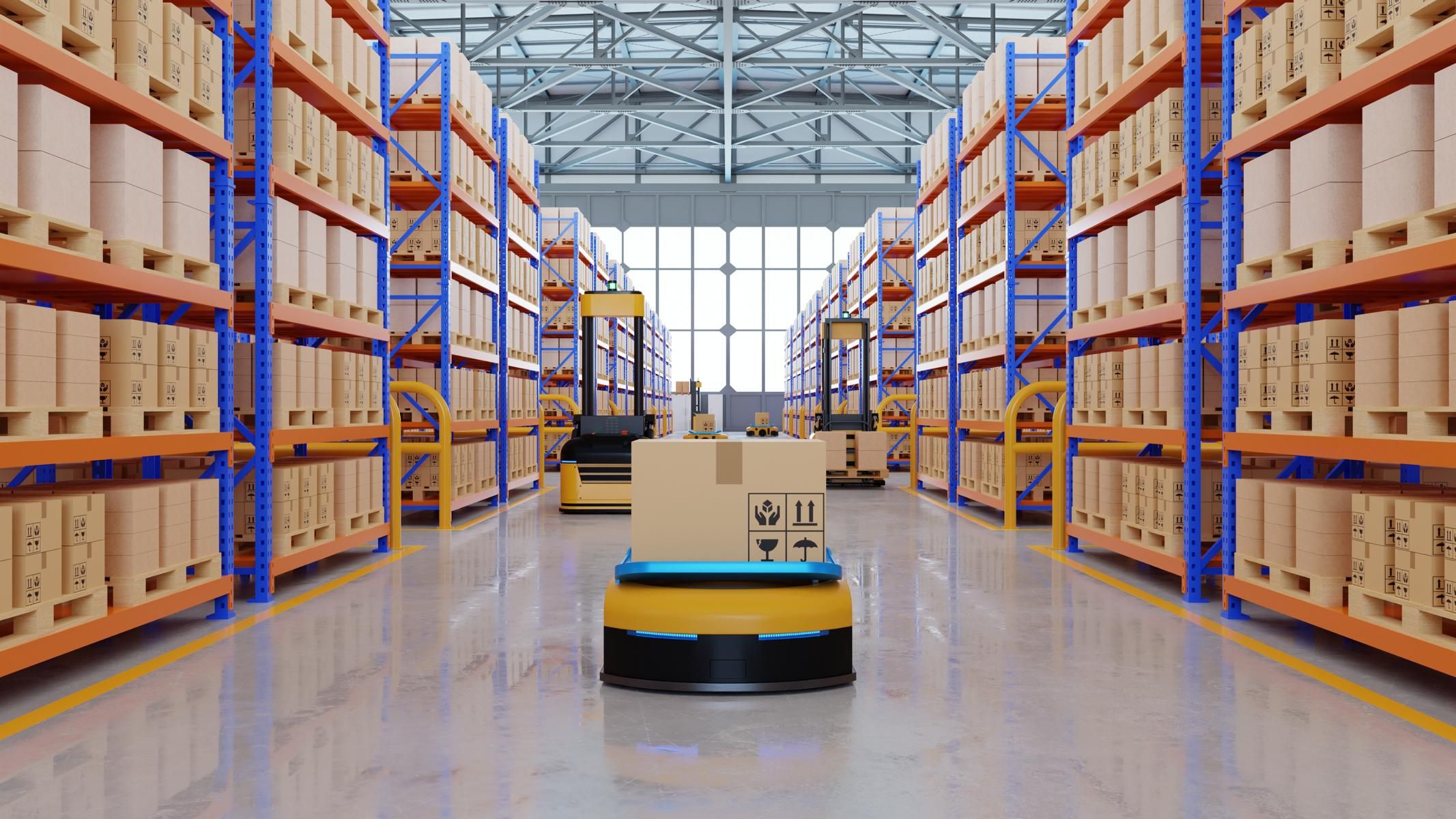
- AGVs and AMRs: Given how quickly automation technology is evolving, shorter lease terms of 36 to 60 months tend to preserve optionality better than longer commitments.
The practical implication: if you're setting lease terms without tracking operating hours, you're guessing. And that guess usually results in equipment that outlives its economic usefulness — or a fleet that gets replaced too early, leaving money on the table.
"Most forklift leases are structured around a payment, not a lifecycle. Get the operating hours and duty cycle right first — the financing structure follows from there."
Philip Rosenmüller, Head of Fleet Management & Consulting, CHG-MERIDIAN
What to Look for in a Forklift Leasing Partner
Not all lessors are structured the same way, and the differences matter more than most fleet managers realize when they're signing an agreement.
- Independence from manufacturers. OEM financing programs are built to move equipment — the brand's equipment, specifically. An independent lessor has no manufacturer preference, which means recommendations are driven by what fits your application, not what fits the OEM's inventory position.
- Lifecycle visibility. The value of a leasing relationship extends beyond the financing. A partner with a platform that tracks asset data, operating hours, maintenance events, and lease timelines gives you the visibility to manage your fleet proactively — not reactively.
- Remarketing capability. At the end of a lease, someone has to handle the equipment. A lessor with established remarketing operations absorbs that work and the associated risk. If your lessor doesn't have meaningful downstream remarketing capability, you may find yourself absorbing more of that risk than the lease structure implies.
- Multi-site and mixed-fleet capability. For enterprise operations running equipment across multiple facilities, consolidating leasing through a single partner with one contract structure and one reporting framework reduces administrative complexity significantly.

Frequently Asked Questions
How long should a forklift lease be?
It depends on the equipment type and how it's being used. For most counterbalanced forklifts running a standard single shift, a 60-to-84-month term aligns reasonably well with the economic useful life of the asset. For high-intensity multi-shift applications, a shorter term may be more appropriate. The most accurate way to calibrate this is by tracking operating hours rather than relying on calendar time alone.
Can I lease electric forklifts?
Yes. Electric forklifts are commonly leased and in many cases are better candidates for leasing than ICE equipment given the higher upfront acquisition cost and the pace at which battery technology is evolving. Lithium-ion battery infrastructure can also be incorporated into the lease structure rather than treated as a separate capital investment.
What happens at the end of a forklift lease?
Under an operating lease structure, you return the equipment to the lessor at end of term. Depending on your agreement, you may also have options to extend the term, upgrade to newer equipment, or in some cases purchase the unit at fair market value. A lessor with strong remarketing operations handles equipment disposal on their end.
Is forklift leasing right for my operation if I only have a few units?
Leasing is most clearly advantageous at scale, but the core logic — converting capital expenditure to predictable operating cost, aligning financing term with useful life, and avoiding residual value risk — applies at any fleet size. The administrative benefits of consolidated fleet reporting and single-partner accountability become more pronounced as fleet size grows.
How is forklift leasing different from forklift rental?
Rental is typically short-term and used to cover temporary demand spikes or equipment gaps. Leasing is a structured agreement designed to align with the productive lifecycle of the asset. Rental rates reflect the short-term nature of the arrangement and are generally higher on a per-month basis than a lease. For ongoing fleet needs, leasing is almost always the more cost-effective structure.
What is a fair market value (FMV) forklift lease?
A fair market value (FMV) lease is a type of operating lease where the lessor retains ownership of the equipment and absorbs the residual value risk at end of term. Lease payments are structured to reflect the productive use of the asset over its useful life rather than its full purchase price. At the end of the term, you return the equipment and the lessor handles remarketing and disposal. FMV leases keep forklift fleets off your balance sheet and eliminate the uncertainty of what aging equipment will be worth when you no longer need it.
What is the difference between a finance lease and an operating lease for forklifts?
A finance lease functions similarly to a loan. You carry the depreciation and residual value risk, and you typically own the equipment at the end of the term. An operating lease is structured around use rather than ownership. The lessor retains the asset, absorbs the downstream risk of declining equipment value, and handles disposal at end of term. For most fleet operations, an operating lease is the more strategic structure because it converts a capital commitment into a predictable operating expense and eliminates exposure to aging equipment costs.
Can maintenance be included in a forklift lease?
Maintenance provisions can be incorporated into a forklift lease depending on the lessor and the agreement structure. A bundled lease consolidates financing and planned maintenance into a single monthly payment, converting unpredictable repair costs into a fixed operating expense and simplifying vendor management. Not all lessors offer bundled maintenance, and the terms vary significantly, so it is worth confirming exactly what is covered before signing.
Who owns the forklift at the end of the lease term?
Under an operating lease or FMV lease structure, the lessor owns the forklift throughout the lease term and retakes possession at end of contract. You do not acquire ownership unless the agreement includes a purchase option at fair market value. This is intentional: the operating lease model is designed so the lessor absorbs the asset's residual value risk, not the lessee. If ownership at end of term is a priority, a finance lease structure is the more appropriate vehicle, though it carries different balance sheet and cost implications.
What should I look for when comparing forklift leasing companies?
The most important factors are manufacturer independence, lifecycle visibility, and remarketing capability. An independent lessor has no incentive to steer you toward a specific brand, which means equipment recommendations are driven by your application rather than supplier relationships. A lessor with a fleet management platform that tracks operating hours, maintenance history, and lease timelines gives you the data to make proactive decisions. Strong remarketing operations mean the lessor can absorb equipment at end of term efficiently, which directly affects the residual value assumptions built into your lease pricing.
About the Author
Philip Rosenmüller is an industrial solutions specialist at CHG-MERIDIAN with deep expertise in material handling equipment fleet management, lifecycle planning, and equipment financing structures for logistics and manufacturing operations. Connect with him to speak about your fleet situation.

Philip Rosenmüller
Head of Fleet Management & Consulting, CHG-MERIDIAN
Learn more
How to Manage a Multi-Site Forklift Fleet
This guide is written for operations, logistics, and procurement leaders managing material handling equipment at scale.
 The Real Cost of AGV and AMR Adoption: How to Finance the Transition
AGVs and AMRs can transform warehouse and manufacturing operations, but the upfront cost stops most companies before they start.
The Real Cost of AGV and AMR Adoption: How to Finance the Transition
AGVs and AMRs can transform warehouse and manufacturing operations, but the upfront cost stops most companies before they start.
 Leasing Material Handling Equipment: A No-Nonsense Guide
Leasing material handling equipment is less about financing and more about building a strategy that keeps your operation competitive without locking capital.
Leasing Material Handling Equipment: A No-Nonsense Guide
Leasing material handling equipment is less about financing and more about building a strategy that keeps your operation competitive without locking capital.