The Future of Healthcare: What Hospitals Will Look Like by 2030
The pace of change in healthcare is no longer measured in decades. It is measured in budget cycles — and for many hospital leaders, that reality is arriving faster than anticipated. The technologies reshaping patient care, operational efficiency, and clinical outcomes are not theoretical. They are being deployed today, at scale, by health systems that have made a strategic decision to move early.
For C-suite executives responsible for the long-term health of their institutions, understanding what is coming — and when — is not optional. It is foundational to every capital decision you will make between now and the end of this decade.
Here is where the industry is heading.

Smart ICU
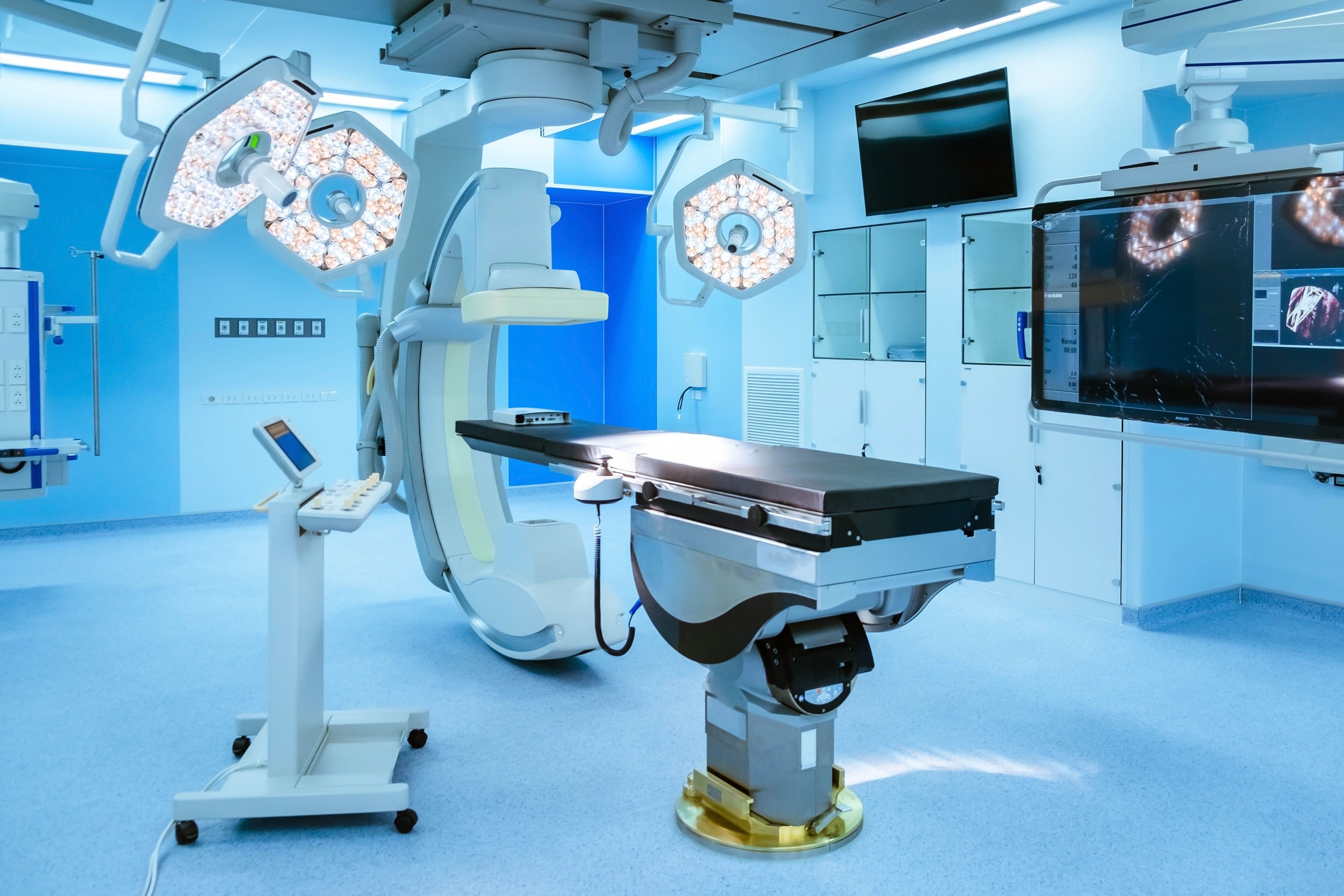
The intensive care unit is being fundamentally reimagined. Powered by AI-driven monitoring systems, real-time decision support, and early warning algorithms, the Smart ICU enables clinicians to anticipate deterioration before it becomes critical. Analysts project this market will exceed $110 billion by 2030, growing at a compound annual rate of 15–17%. For hospitals managing aging populations and complex acuity, this technology is rapidly shifting from competitive advantage to standard of care.

Remote Monitoring
Care is moving beyond hospital walls, and the infrastructure to support it is scaling quickly. Remote monitoring platforms enable continuous, real-time oversight of patients in their homes — reducing costly readmissions and extending clinical reach without expanding physical footprint. With a projected market size of $96 billion by 2030 and a CAGR of 14–16%, this trend reflects a fundamental redefinition of where and how hospitals deliver value.

AI Triage & Decision Support
From emergency department intake to surgical planning, AI is beginning to reshape clinical workflows at every level. AI triage and decision support tools improve patient throughput, reduce diagnostic delays, and surface insights that support more consistent, evidence-based care. This market is expected to reach $78 billion by 2030, growing at 17–20% annually — one of the fastest trajectories in the sector, driven by adoption across both large academic centres and community hospitals.
Autonomous Hospital Logistics
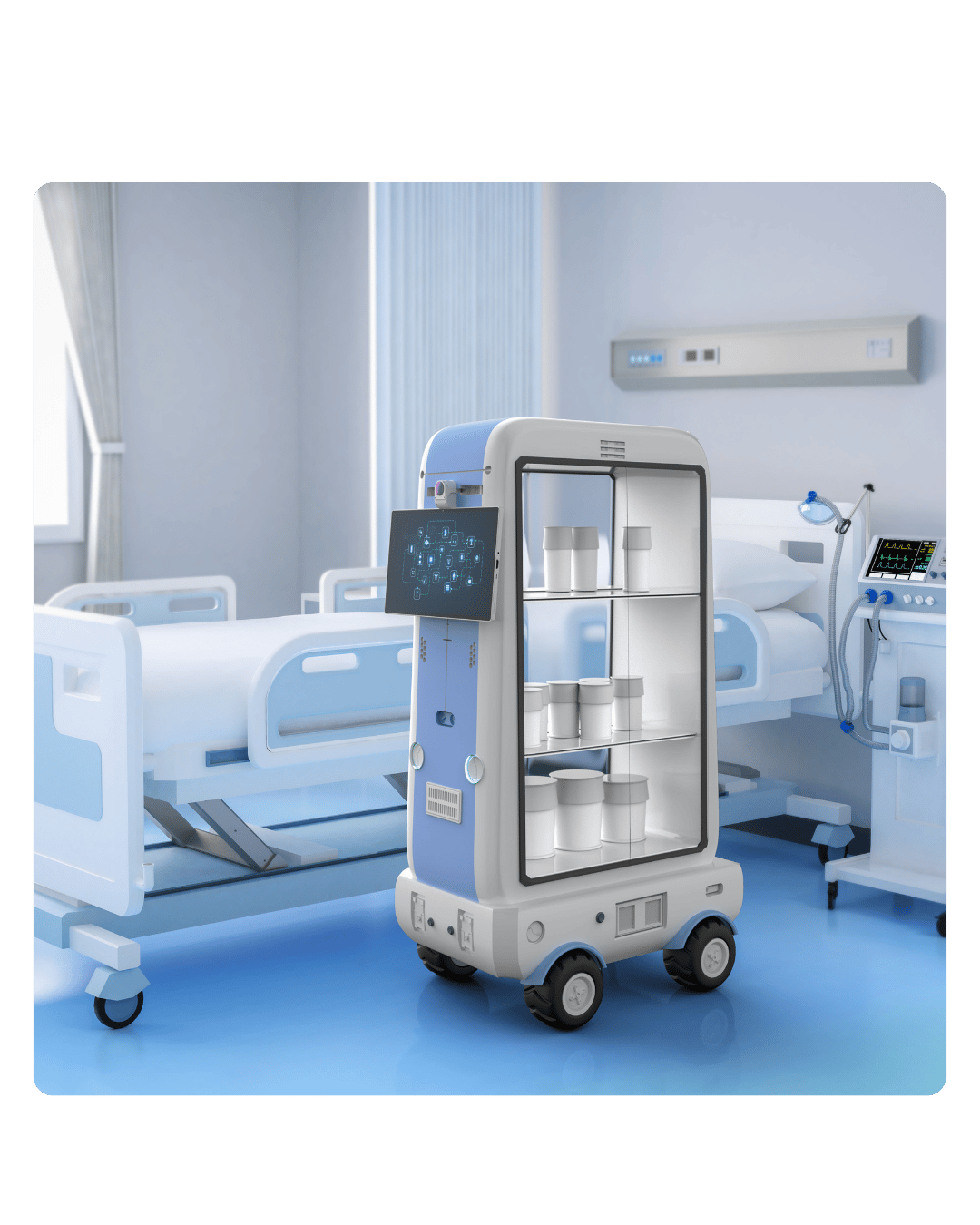
The movement of medications, supplies, and specimens through a hospital is operationally complex and disproportionately expensive when managed by human labour alone. Autonomous logistics systems — including self-navigating robots and automated delivery platforms — are already relieving that burden at leading health systems. Projected to become a $64 billion market growing at 16–18% annually, this trend offers measurable gains in operational efficiency and staff redeployment toward higher-value work.

Digital Twins
A digital twin is a dynamic, virtual replica of a hospital's physical environment and operations — used to model scenarios, stress-test capacity decisions, and optimize resource allocation before changes are made in the real world. The market is forecast to reach $48 billion by 2030, with a remarkable CAGR of 18–21%. For health system leaders navigating infrastructure investments and service redesign, digital twins represent a powerful planning tool that reduces risk and improves outcome predictability.
Predictive Maintenance
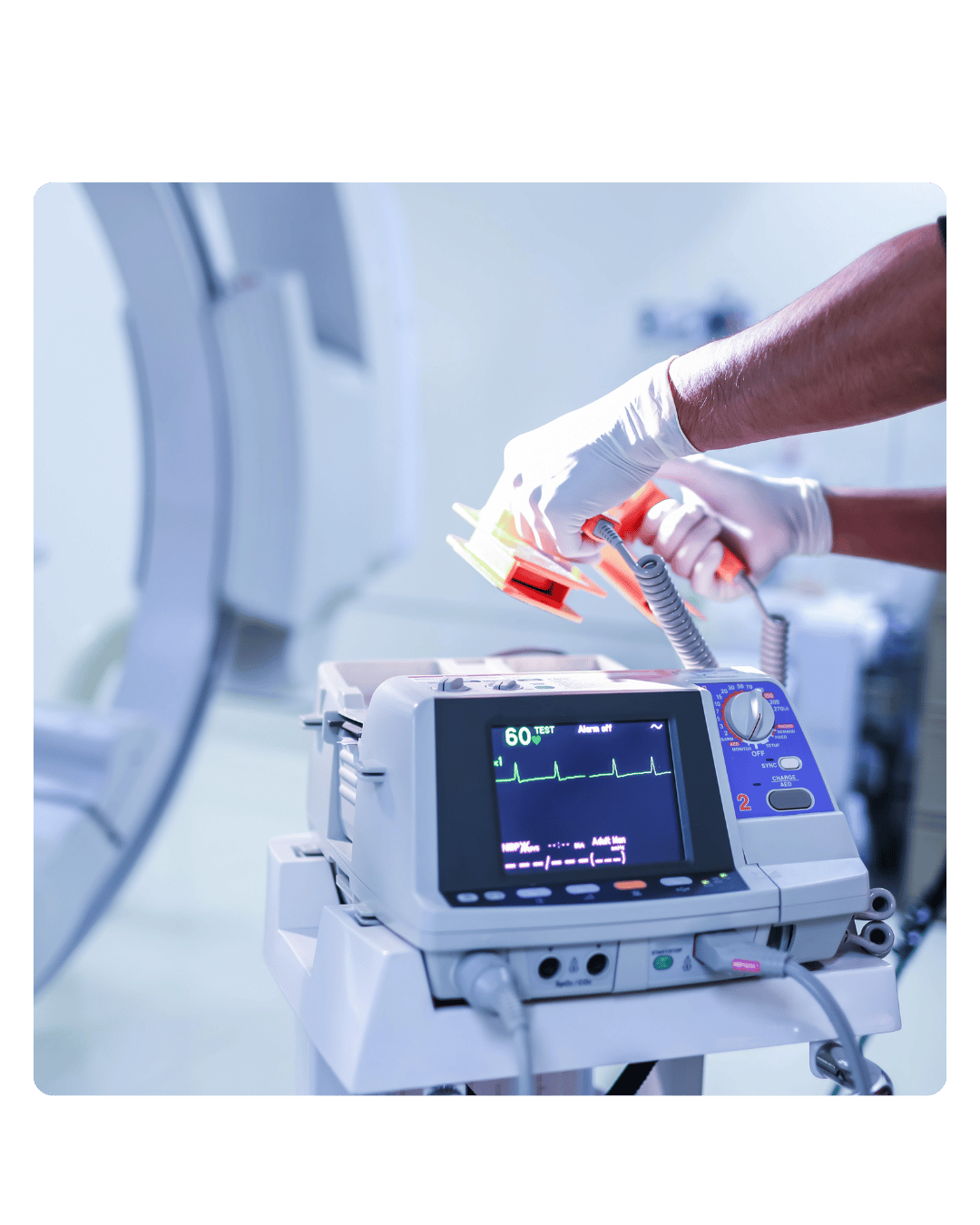
Equipment downtime is a silent but significant cost driver in most hospitals. Predictive maintenance platforms use sensor data and analytics to identify failure risk before it disrupts care — reducing emergency repair costs, extending asset lifespan, and improving uptime across critical systems. This market is on track to reach $42 billion by 2030 at a CAGR of 14–16%, making it one of the more immediately actionable opportunities for CFOs and COOs looking to protect operational margins.
How CHG-MERIDIAN Can Help
Every one of the trends outlined above has something in common: it requires access to new, sophisticated, and rapidly evolving equipment. Smart ICU infrastructure, remote monitoring devices, AI-integrated clinical systems, autonomous logistics platforms — these are not incremental upgrades. They represent a new category of capital commitment that most hospital budgets were simply not designed to absorb at this pace.
This is where CHG-MERIDIAN comes in — not as a vendor, but as a strategic partner helping healthcare organizations bridge the gap between where they are today and where they need to be by 2030.
Here is what the partnership looks like:
- Access equipment without large upfront capital costs. Flexible financing and leasing solutions enable hospitals to deploy the technology they need today, preserving capital for the priorities that demand it most.
- Stay current as technology evolves. Built-in technology refresh cycles mean your organisation is never locked into equipment the market has moved past.
- Reduce obsolescence risk. CHG-MERIDIAN structures agreements designed to absorb that risk on your behalf, so innovation works for you, not against you.
- A partnership built around your organisation. Every health system's journey looks different. CHG-MERIDIAN walks alongside your leadership team, on a timeline and financial structure that works for you.

What This Means for Your Budget
For a mid-sized Canadian hospital operating in the range of 350 to 600 beds, these six trends carry real price tags. Based on publicly available industry benchmarks, a meaningful deployment across all six technology domains — from Smart ICU infrastructure to predictive maintenance platforms — represents a combined estimated investment of 29M, phased over several years.
The return is equally significant: hospitals implementing these technologies have reported reductions in ICU mortality, 30-day readmission rates, and unplanned equipment downtime, alongside measurable gains in staff efficiency and capital planning accuracy. These are not small bets — and they are not ones that fit neatly into a single budget cycle. That is precisely why how hospitals finance this transformation matters as much as the decision to pursue it.
Ready to Start the Conversation?
The hospitals being built for 2030 are being planned right now. If you are ready to explore how CHG-MERIDIAN can support your organization’s journey, whether you are in the early stages of strategic planning or actively evaluating specific technology investments — we would welcome the opportunity to connect.
Let's talk about what's possible.
Book a meeting with a CHG-MERIDIAN healthcare specialist
Data sourced from McKinsey & Company, Frost & Sullivan, MarketsandMarkets, Grand View Research, company reports, and industry analysis.