Search Results

The Cost of Standing Still: Why Canadian Industrial Leaders Are Rethinking Their Equipment Strategy

Aging equipment is quietly costing Canadian industrial operations more than they realize. Here's the business case for modernizing your fleet — and a smarter way to finance it.

Canada's Industrial Fleet Has a Problem Nobody Talks About Enough

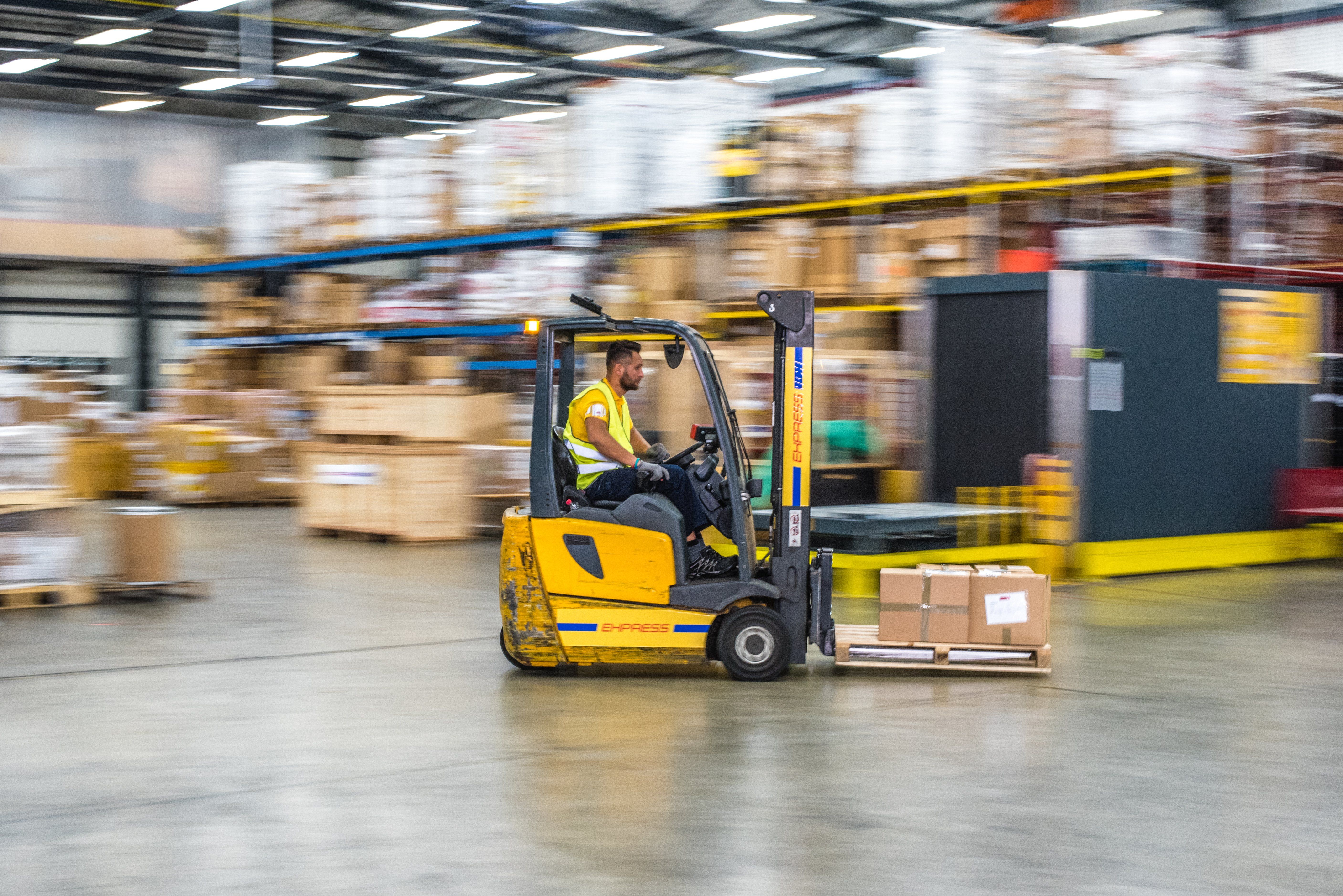
Walk the floor of almost any mid-sized Canadian warehouse or manufacturing plant, and you'll find forklifts that have been running since the Harper administration. That's not an exaggeration — the average age of material handling equipment in Canadian industrial facilities is climbing, and the gap between what companies are running and what's now commercially available has never been wider.

Meanwhile, Canada's manufacturing sector contributes over $174 billion annually to GDP [Statistics Canada, 2023], and warehousing and logistics employment has grown by more than 20% over the past five years as e-commerce reshapes distribution networks [Canadian Supply Chain sector reports]. The operations running this output deserve a harder look.

The Pressures Are Real — and They're Compounding

Canadian industrial operators are being squeezed from multiple directions simultaneously. Labour shortages remain acute: the manufacturing sector alone faces a projected shortfall of more than 60,000 skilled workers by 2030 [Canadian Manufacturers & Exporters report]. Rising energy costs, tighter sustainability reporting requirements, and intensifying competition from U.S. and overseas suppliers are adding further pressure.

For fleet and logistics directors, this translates into a simple, uncomfortable truth: running older equipment harder to compensate for workforce gaps is a short-term fix with long-term consequences. Unplanned downtime, higher maintenance spend, and safety incidents don't just hurt productivity — they show up directly on the income statement.

What the Modern Industrial Floor Looks Like

A new generation of industrial equipment has matured well past the "early adopter" phase. These aren't concepts — they're running in Canadian facilities today.

Automated Guided Vehicles (AGVs):

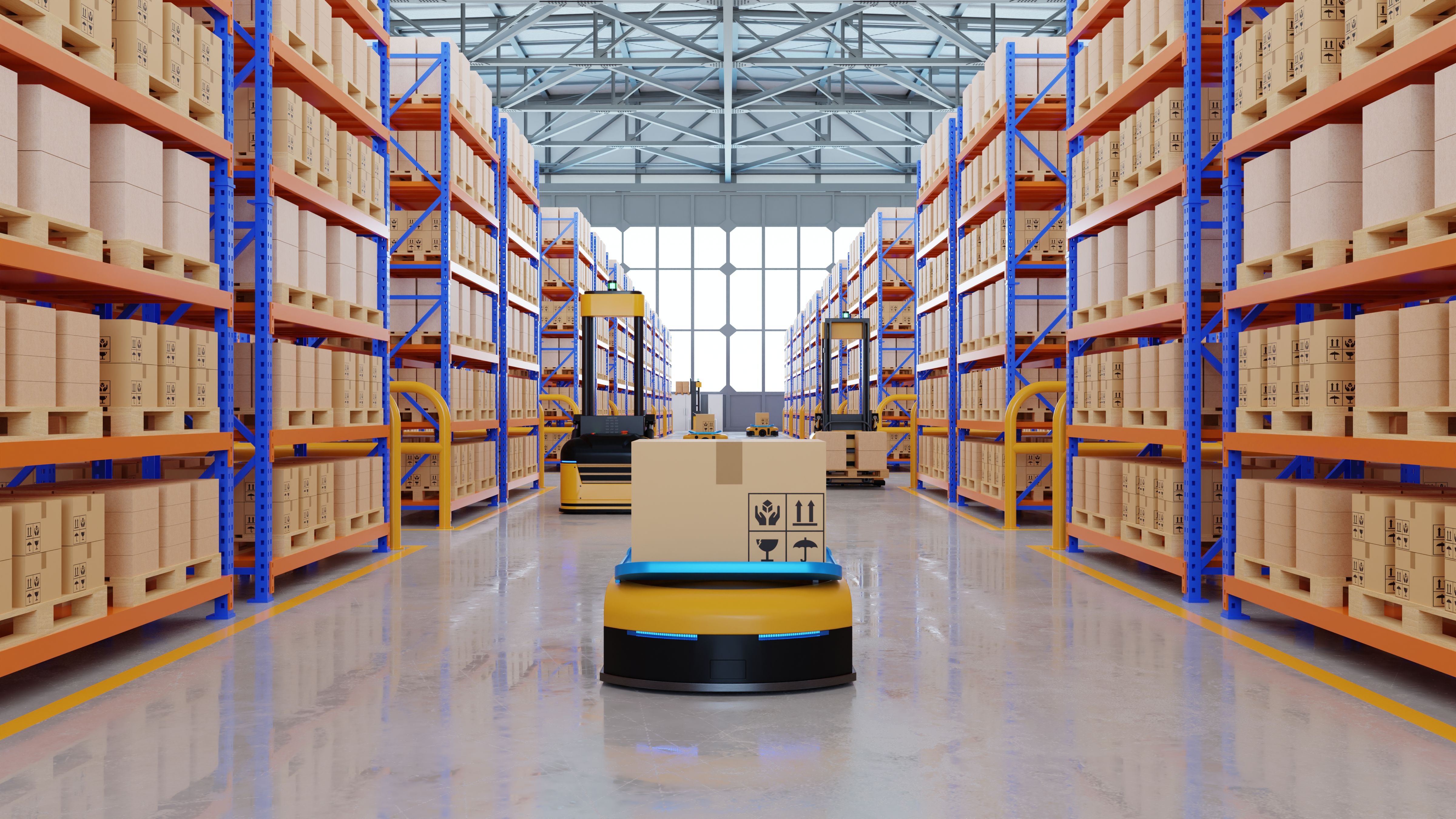
Self-navigating carts and transport units that move materials through a facility without human operators, are now cost-effective at mid-market scale. Autonomous forklifts take that further, handling pallet movements in structured warehouse environments with minimal supervision. 

Collaborative robots (cobots):

Lightweight robotic arms designed to work alongside human workers safely, are being deployed for repetitive assembly and pick-and-pack tasks. 

Telematics-enabled fleet management systems:

Hardware and software that provide real-time visibility into equipment location, usage, and condition — are turning gut-feel decisions into data-driven ones.

None of these require a complete facility overhaul. Many Canadian operators are phasing them in alongside existing equipment as part of a deliberate transition strategy.

The Business Case Is Stronger Than Most Finance Teams Realize

This is where the conversation needs to move — from "is it worth it?" to "what does the delay actually cost?"

The productivity gains are measurable. AGVs operating on fixed routes can sustain throughput rates 15–30% higher than human-operated equivalents over a full shift [industry benchmark range], without fatigue-related variability. 

Cobots running repetitive tasks reduce error rates and free skilled workers for higher-value activities. For operations managers, that's direct throughput improvement without proportional headcount increase.

On the safety side, autonomous equipment reduces the frequency of pedestrian-vehicle incidents, one of the leading causes of serious workplace injuries in Canadian warehousing environments [WSPS / CCOHS data]. Fewer incidents mean lower Workers' Compensation Board costs and reduce operational disruption.

For finance leaders, the maintenance equation is equally compelling. Older equipment typically reaches a point where annual maintenance spends approaches or exceeds lease payments on a modern replacement. Telematics data accelerates this analysis, predictive maintenance alerts reduce unplanned downtime by up to 25% in connected fleets [McKinsey / industry analyst data], which directly protects revenue in high-throughput environments.

The competitive dimension is harder to quantify but no less real. Canadian automotive suppliers and third-party logistics providers operating on thin margins are finding that operational efficiency is now a contract requirement, not a differentiator.

The Real Barrier: It's Capital, Not Conviction

Most industrial leaders who've done the analysis aren't questioning whether modernization makes sense. They're asking how to fund it without compromising the balance sheet.

A single autonomous forklift can cost $80,000- $150,000 [vendor pricing ranges]. A phased AGV deployment across a mid-sized distribution centre can run into the millions. When that capital competes with operating needs, facility investments, and shareholder expectations, it rarely wins, even when the ROI case is solid.

This is the moment where many modernization plans stall. And it doesn't have to be.

A Smarter Path Forward

Equipment leasing and lifecycle-based financing have changed the calculus for Canadian industrial operators. Rather than purchasing assets outright, organizations can access current-generation equipment for predictable monthly payments, preserving working capital, keeping debt off the balance sheet, and building in flexibility to upgrade when the next technology cycle arrives.

This approach works particularly well for fast-evolving equipment categories like autonomous vehicles and connected systems, where the risk of owning a depreciating asset is real. CHG-MERIDIAN works with industrial clients across Canada to structure financing that aligns with actual equipment lifecycles, so organizations aren't locked into assets that have aged out of their operational value before the loan is paid off.

The result is a fleet strategy that finance teams can approve and operations teams can execute, without betting the capital budget on a single technology generation.

Let's Talk About Your Fleet

If your operation is running equipment that's overdue for a performance conversation, or if you've shelved a modernization plan because the numbers didn't work on a purchase basis, it's worth exploring what a leasing structure could make possible.

Connect with the CHG-MERIDIAN team to discuss fleet financing options tailored to Canada's industrial sector.