
Key Takeaways
- IT hardware leasing under an FMV structure transfers residual value risk to CHG-MERIDIAN, not your balance sheet
- FMV leases are typically classified as operating leases under ASC 842, with more favorable accounting treatment than finance leases
- Lease terms align to hardware useful life by category — endpoints at 3 years, servers at 4 to 5 years, networking at 5 to 7 years
- All returned devices receive certified NIST 800-88 data erasure with chain-of-custody documentation
- CHG-MERIDIAN manages the complete IT asset lifecycle — from TCO analysis and procurement through end-of-term remarketing
Author: Simon Harrsen, Executive Vice President North America, CHG-MERIDIAN
Published: April 1, 2026

What Is IT Hardware Leasing?
IT hardware leasing is a structured financing arrangement in which a business uses technology equipment — laptops, servers, networking infrastructure, workstations, and related devices — for a defined term in exchange for fixed periodic payments, without taking ownership of the assets.
At end of term, the lessee typically has the option to return the equipment, refresh to newer hardware, or in some structures, purchase the assets at fair market value.
The critical distinction is in the lease structure. Not all IT equipment leasing arrangements are equal:
Fair Market Value (FMV) Lease: The lessor retains ownership and residual value risk. The lessee returns equipment at end of term. Payments are lower because residual value offsets the financed amount. This is the structure CHG-MERIDIAN uses.
Capital / $1 Buyout Lease: The lessee assumes ownership and depreciation risk. The asset appears on the balance sheet as a liability. The lessee absorbs the full cost of technology obsolescence.
For enterprise IT hardware — which depreciates quickly and is subject to rapid technology shifts — the FMV structure is almost always the more financially sound choice.
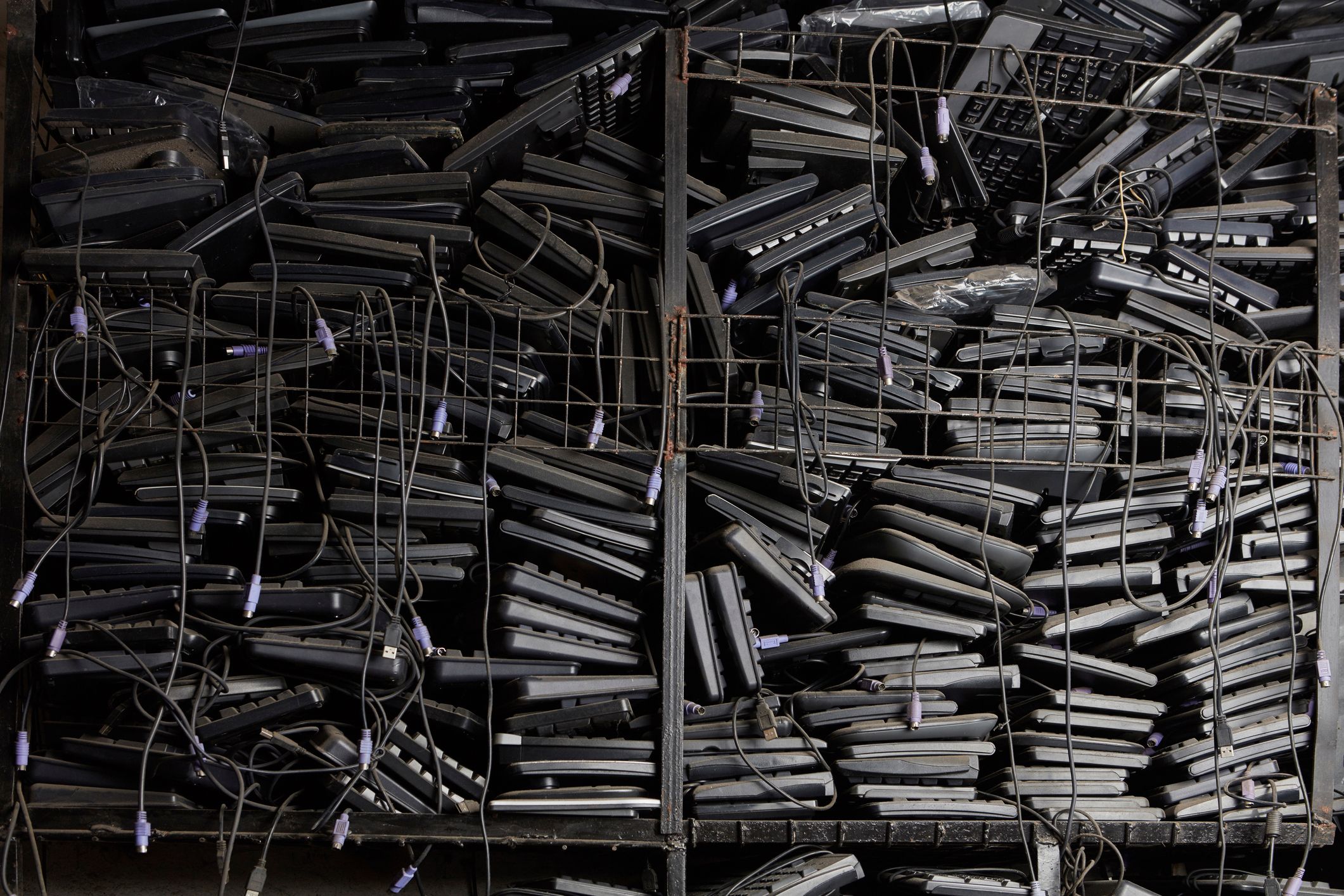
Why Enterprises Choose IT Hardware Leasing Over Ownership
Residual value risk transfers to CHG, not you. Hardware that cost $1,200 per unit three years ago may be worth $150 today. Under an FMV lease, that depreciation is CHG's problem, not yours. We factor residual value into the lease payment structure, which is why FMV lease payments are typically lower than capital lease payments on equivalent hardware.
Refresh cycles are built in, not fought over. One of the most consistent failures in enterprise IT is delayed hardware refresh — equipment held past its productive life because capital budget approval never came through. A structured lease term forces the conversation and funds the solution simultaneously. Your refresh cycle becomes a financial event, not a budget negotiation.
AI hardware is already compressing useful life. The transition to AI-capable endpoints — systems with integrated NPUs, Copilot+ certification, next-generation inference architecture — is making three-year-old hardware obsolete faster than standard depreciation models anticipated. Organizations that bought in 2021 and 2022 are already behind. Leasing with short-to-medium term structures ensures you can respond to that shift without stranding sunk capital in outdated assets.
Tariff and price volatility favor structured leasing now. IT hardware pricing is actively volatile. Buying equipment outright today locks your organization into current prices and current technology, then leaves you holding the depreciation as the market moves. A structured lease lets you access hardware now without bearing the long-term market risk.
ASC 842 compliance is manageable with the right structure. Under ASC 842 — now fully in effect for US public and private companies — operating leases appear on the balance sheet as right-of-use assets and lease liabilities. But the accounting classification is driven by the lease structure. FMV leases structured correctly are classified as operating leases, which carry more favorable treatment than finance leases for most organizations. Your CFO and controller should be part of the lease structure conversation — not brought in after the fact.
Predictable cost structure simplifies planning for IT and finance. Fixed monthly payments eliminate the capital expenditure spikes that make IT hardware budgeting difficult. Finance teams get a line item they can plan around. IT teams get approval processes that don't require emergency capital requests.


What CHG-MERIDIAN IT Hardware Leasing Includes
Leasing hardware is straightforward. Leasing hardware intelligently, at scale, across thousands of devices and multiple locations, is what we are built for.
Every CHG-MERIDIAN IT hardware lease includes:
TCO analysis before the first payment. Before structuring any IT hardware lease, CHG-MERIDIAN builds a total cost of ownership model for your current environment — quantifying the hidden costs of aging hardware, unplanned replacement, and maintenance overhead that typically don't appear in a capital purchase comparison.
Lease terms aligned to hardware useful life, not a blanket contract period. Laptops and endpoints align to 3-4 year terms. Servers to 4 to 5 years. Networking infrastructure to 5 to 7 years. Each hardware category carries a term matched to when it actually becomes a liability — not when it's convenient to renew a single master agreement.
Real-time asset visibility through the TESMA platform. CHG-MERIDIAN's proprietary TESMA IT asset management platform integrates commercial and technical lifecycle data into a single dashboard — tracking leased device inventory, payment flows, utilization rates, and end-of-term timelines across locations and legal entities.
Certified data erasure at every end-of-term return. Every device returned under a CHG-MERIDIAN IT hardware lease is wiped to NIST 800-88 standards with full chain-of-custody documentation provided to the lessee. Data security at device retirement is included in the lease structure, not sold as an add-on service.
Global delivery and service consistency at enterprise scale. CHG-MERIDIAN operates across more than 30 countries, providing IT hardware leasing with consistent procurement, provisioning, and end-of-life services whether you are refreshing a single US headquarters or managing endpoints across a distributed international workforce.

Who This Is For
IT Directors and IT Procurement Leaders: If you are managing refresh cycles across hundreds or thousands of endpoints, dealing with aging hardware that your capital budget hasn't funded for replacement, or trying to standardize a multi-vendor device landscape, structured IT hardware leasing simplifies all of it.
CFOs and Finance Leaders: If you are evaluating the balance sheet treatment of hardware acquisitions under ASC 842, looking to convert unpredictable capital expenditure into fixed operating expense, or need to demonstrate cost discipline on IT infrastructure spend, the FMV lease structure CHG-MERIDIAN uses is designed around your reporting needs.

Get in Touch
Simon Harrsen leads CHG-MERIDIAN's North American operations, helping organizations optimize technology investments through smarter lifecycle management. Connect with him to discuss how your business can reduce costs and increase flexibility.

Frequently Asked Questions
What is the difference between IT hardware leasing and IT equipment financing?
Leasing gives you use of the equipment for a defined term without ownership. Financing (a loan structure) means you are buying the equipment over time and will own it at payoff. For fast-depreciating technology assets, leasing typically produces better financial outcomes because you are not paying to own something whose value is falling.
What lease terms are typical for IT hardware?
Endpoints and laptops align to 3-4 year terms. Servers and storage to 4 to 5 years. Networking equipment to 5 to 7 years. CHG-MERIDIAN aligns terms to the useful life of each hardware category rather than applying a single term across all asset types.
Does IT hardware leasing go on the balance sheet?
Under ASC 842, operating leases appear on the balance sheet as right-of-use assets and corresponding lease liabilities. FMV leases structured as operating leases are treated differently from finance leases. We recommend involving your controller or external auditor early in the lease structuring process.
What happens to equipment at end of lease?
Under a CHG-MERIDIAN FMV lease, you return the equipment. We handle certified data erasure to NIST 800-88 standards, refurbishment, and remarketing. You can simultaneously refresh to current hardware under a new lease term. There is no obligation to buy aging equipment at end of term.
Can we lease a mix of hardware types under one agreement?
Yes. CHG-MERIDIAN structures master lease agreements that accommodate laptops, desktops, servers, networking gear, and other technology assets under a single agreement with schedule-level terms for each hardware category.