 What AGVs and AMRs Actually Cost
EXPLORE THIS GUIDE
Table of Contents
What AGVs and AMRs Actually Cost
 How Companies Are Financing Automation
 Why Leasing Works for Robotics
 Financing AGV and AMR with CHG
 Evaluate the ROI of Automation
Author: Philip Rosenmüller, Head of Fleet Management & Consulting, CHG-MERIDIAN
Published: March 5, 2026
"The companies that scale AGV and AMR programs most successfully figure out the financing before they finalize the technology. Resolve the capital question first and the operational decisions follow."
Philip Rosenmüller, Head of Fleet Management & Consulting, CHG-MERIDIAN
Why AGV and AMR Adoption Is Accelerating
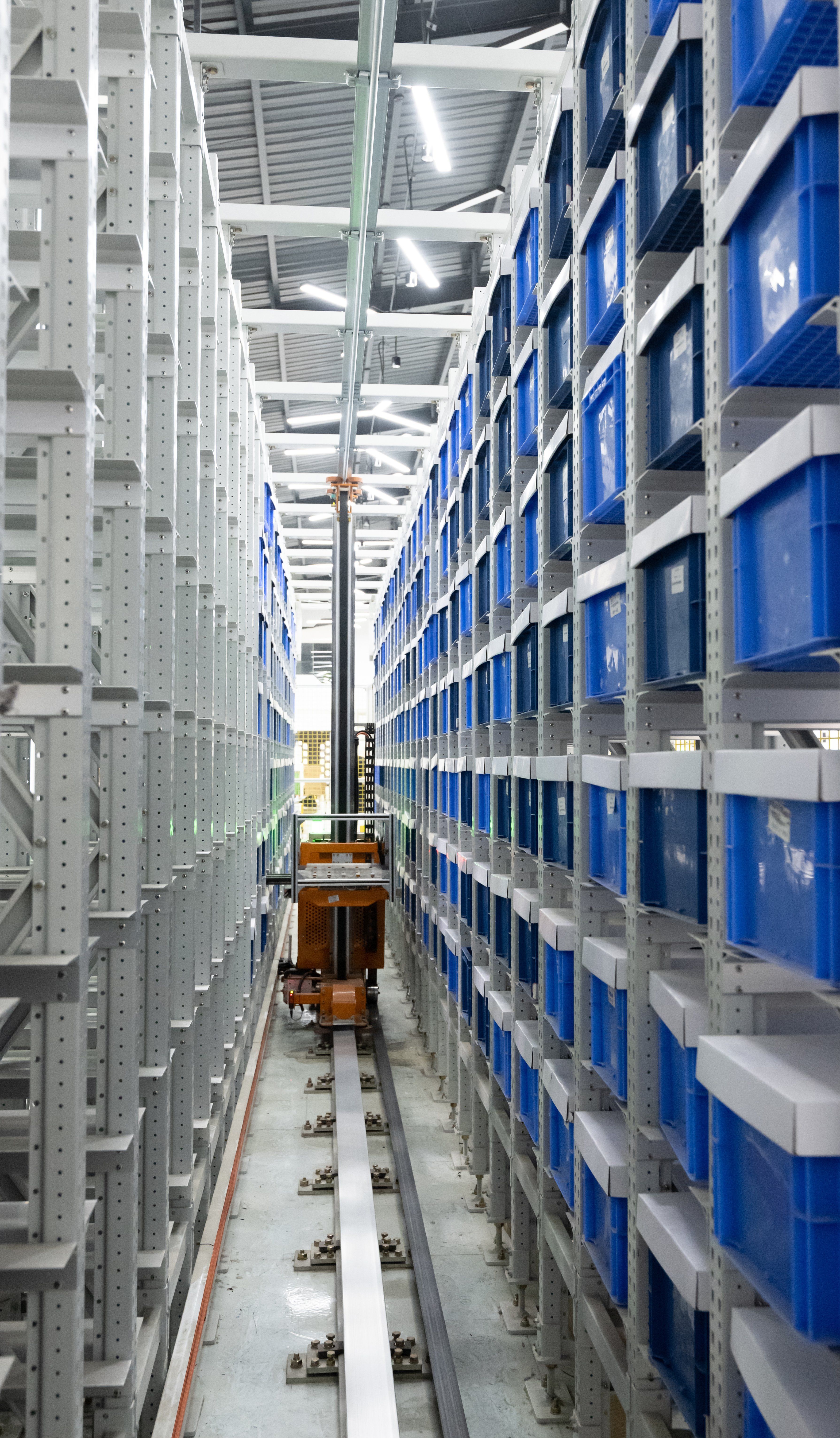
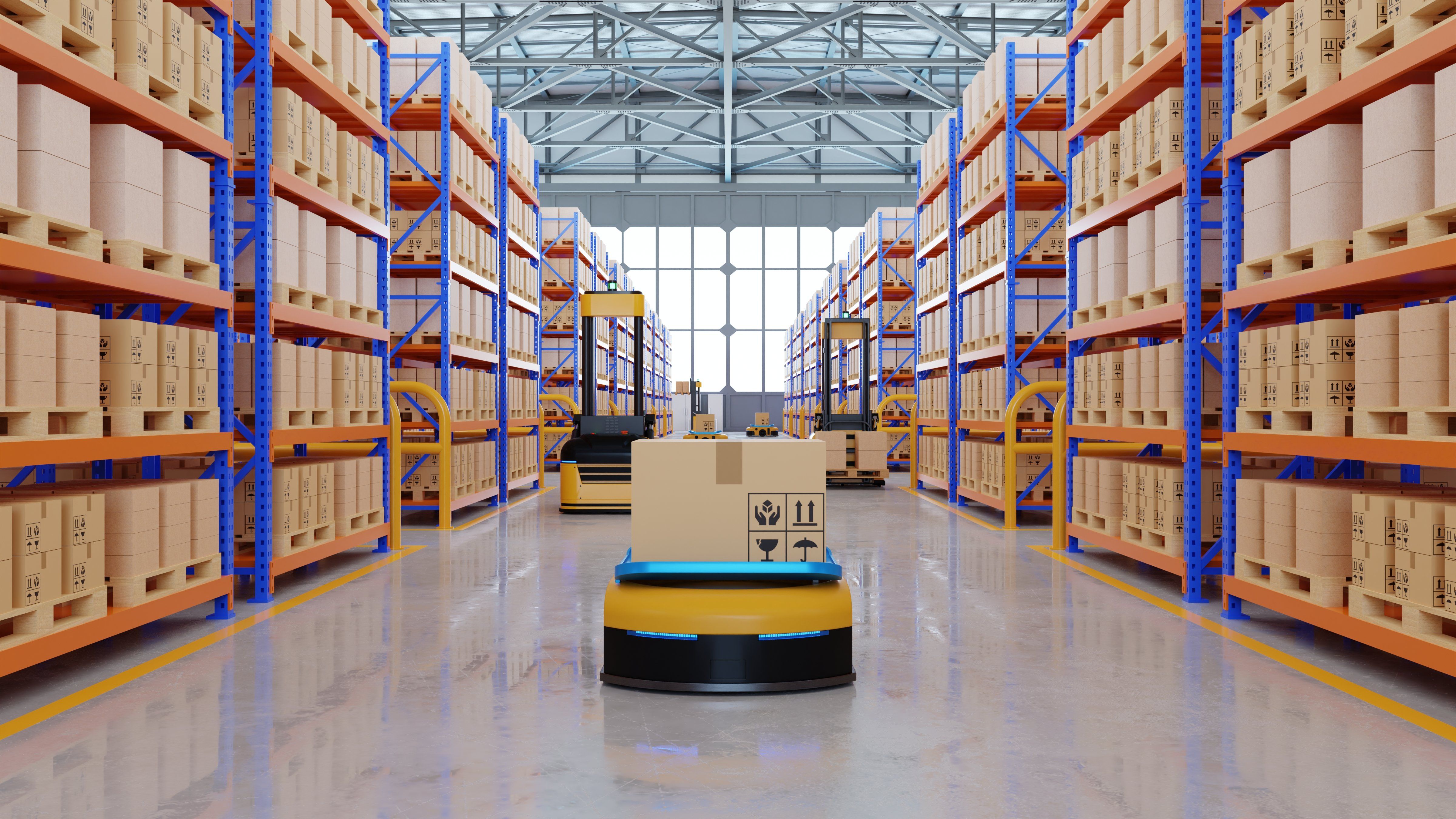
The pressure to automate warehouse and manufacturing operations is not new. What is new is the pace. Rising labor costs, chronic workforce shortages, and the demand for continuous 24/7 operations have pushed AGV and AMR adoption from a long-term ambition to an active line item on capital planning agendas across North America and Europe.
The numbers reflect this shift. In 2024, more than 33,000 automated guided vehicles and over 29,500 autonomous mobile robots were deployed globally, a significant increase from 45,000 combined units in 2022. More than 40% of global manufacturers now incorporate at least one autonomous logistics system into their operations. In warehousing specifically, over 54% of operators reported productivity improvements of at least 30% after deploying AGVs.
Adopting AGVs and AMRs is no longer a question of if; it is a question of how. And the how, for most companies, comes down to one thing: how do you finance a deployment that can run well into the millions before the first unit moves its first pallet.
According to Modern Materials Handling's 2025 Industry Outlook survey, only 10% of warehouse and distribution center operators currently use AGVs or AMRs, while 30% say they plan to evaluate them within the next two years. The gap between interest and adoption is wide. For most organizations, the constraint is not the technology. It is how to fund it.
What AGVs and AMRs Actually Cost
Before evaluating financing options, you need an accurate picture of the full investment. Most buyers underestimate it because they focus on hardware prices and miss the total project cost.
Hardware Costs by Equipment Type
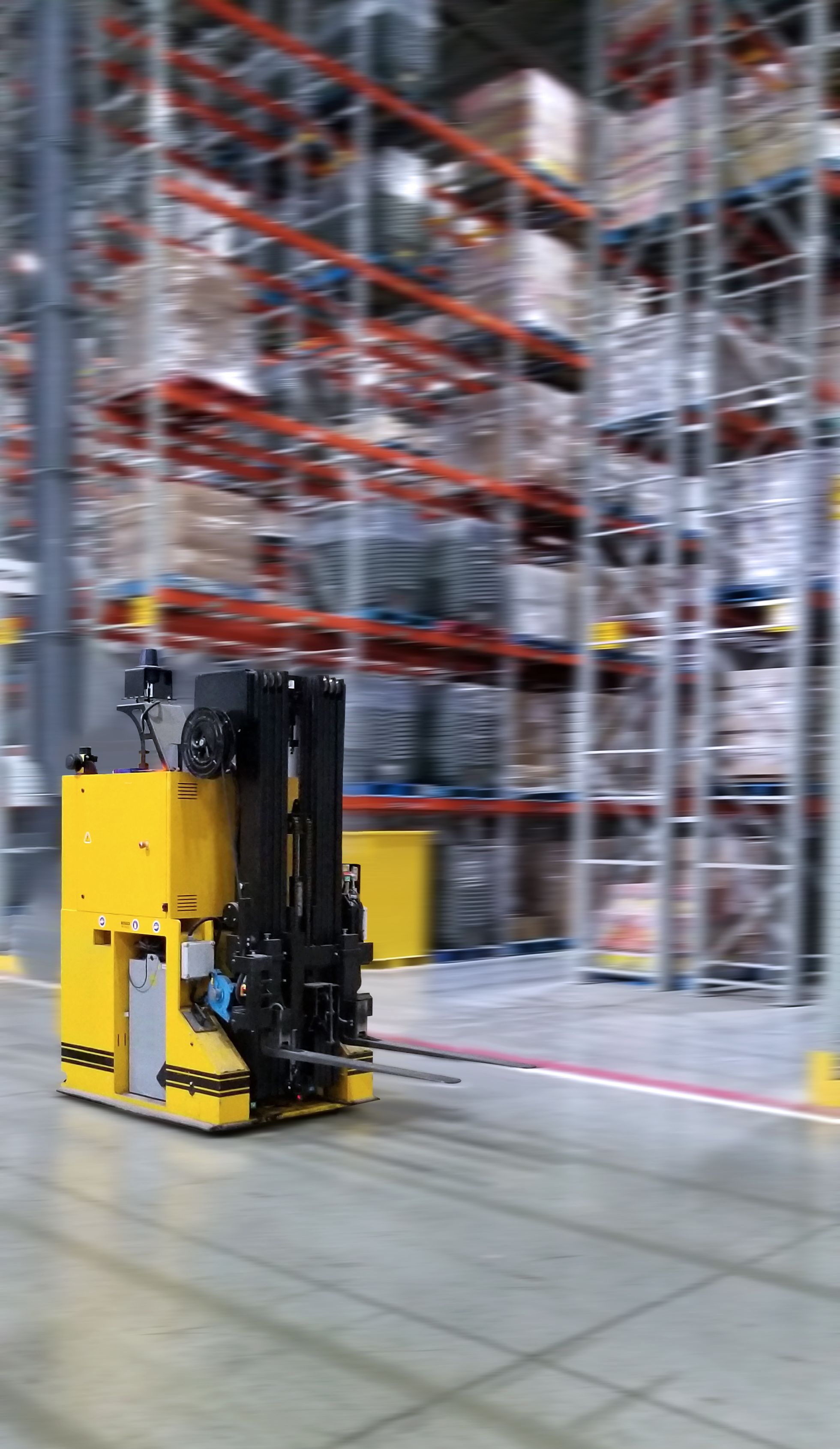
AGV and AMR hardware pricing varies significantly based on payload capacity, navigation technology, and complexity. Here is a practical reference range for 2025:
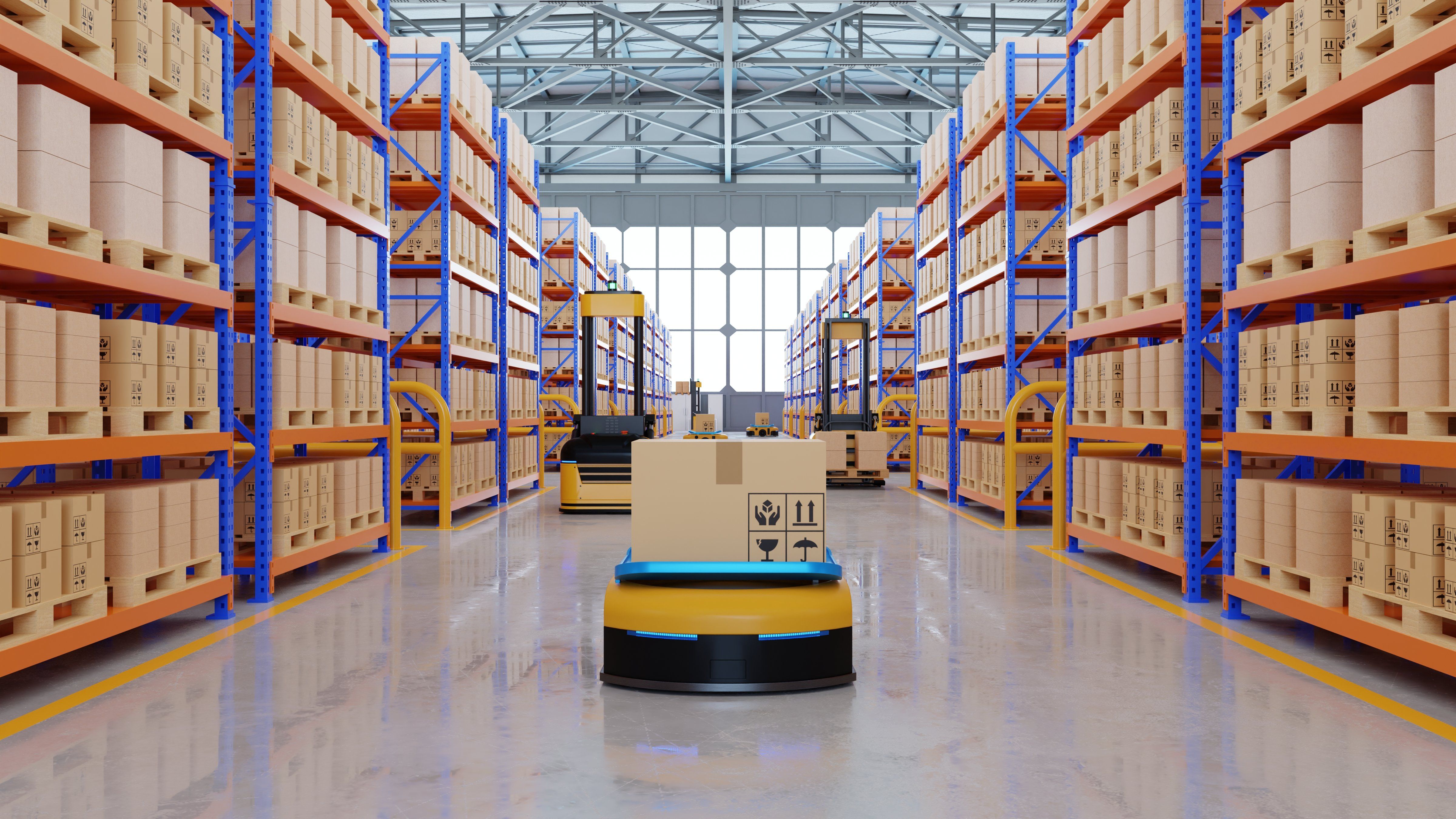
Flat-platform AMRs, the most commonly deployed entry point, typically range from $40,000 to $80,000 per unit to purchase. On a 48 to 60 month lease, monthly payments for these units generally run between $600 and $900 per unit.
Tugger and towing AGVs, which are designed for heavier towing tasks along defined routes, typically fall in the $50,000 to $85,000 purchase range, with estimated monthly lease payments of approximately $800 to $1,200 per unit.
Forklift AGVs, which handle pallet movement and racking operations, carry a wider purchase range of $75,000 to $200,000 depending on lift height, payload, and navigation complexity. Estimated monthly lease payments for these units run approximately $1,200 to $3,200.
Complex AMR forklifts, which combine autonomous navigation with high-payload lifting for demanding environments, represent the top of the range. Purchase prices typically start at $150,000 and can exceed $300,000.
Monthly lease payments commonlyt seen by CHG-MERIDIAN and other providers for these units run between $2,200 and $5,500 per unit. Tugger, forklift AGV, and complex AMR forklift lease payment figures are estimated based on proportional purchase price ranges.
Confirmed CHG-MERIDIAN deployment data reflects flat-platform AMR and complex AMR forklift ranges.
The 30% Rule: Implementation Costs
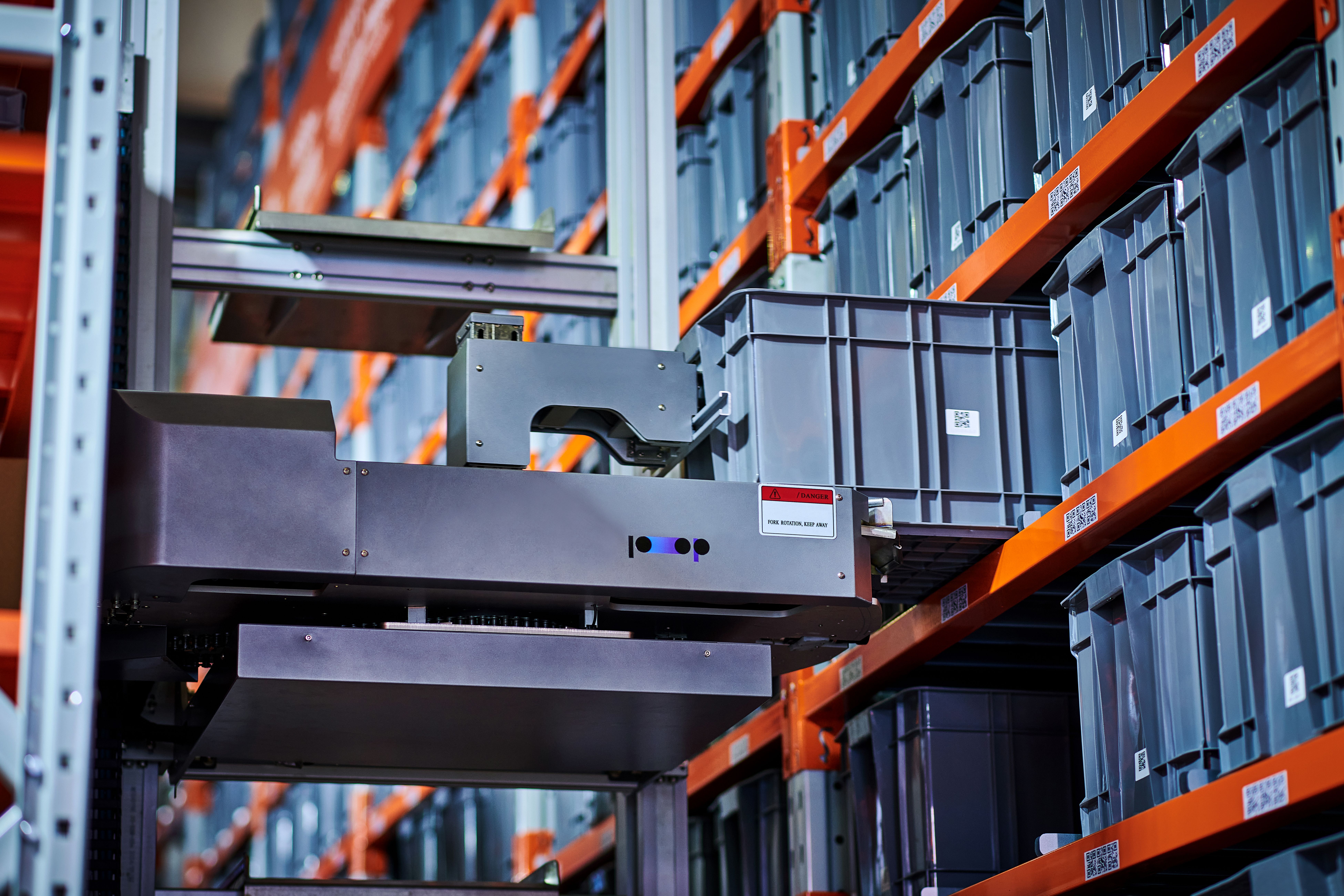
Hardware is only part of the investment. For every dollar spent on AGV or AMR equipment, plan to spend approximately 30% more on engineering, solution design, and deployment. This includes site mapping, system integration, fleet management software setup, safety validation, and commissioning.
These implementation costs are typically treated as operating expenses rather than capital assets, which is an important distinction for procurement and finance teams evaluating how the deployment will appear on the balance sheet.
Total Cost of Ownership Over Five Years
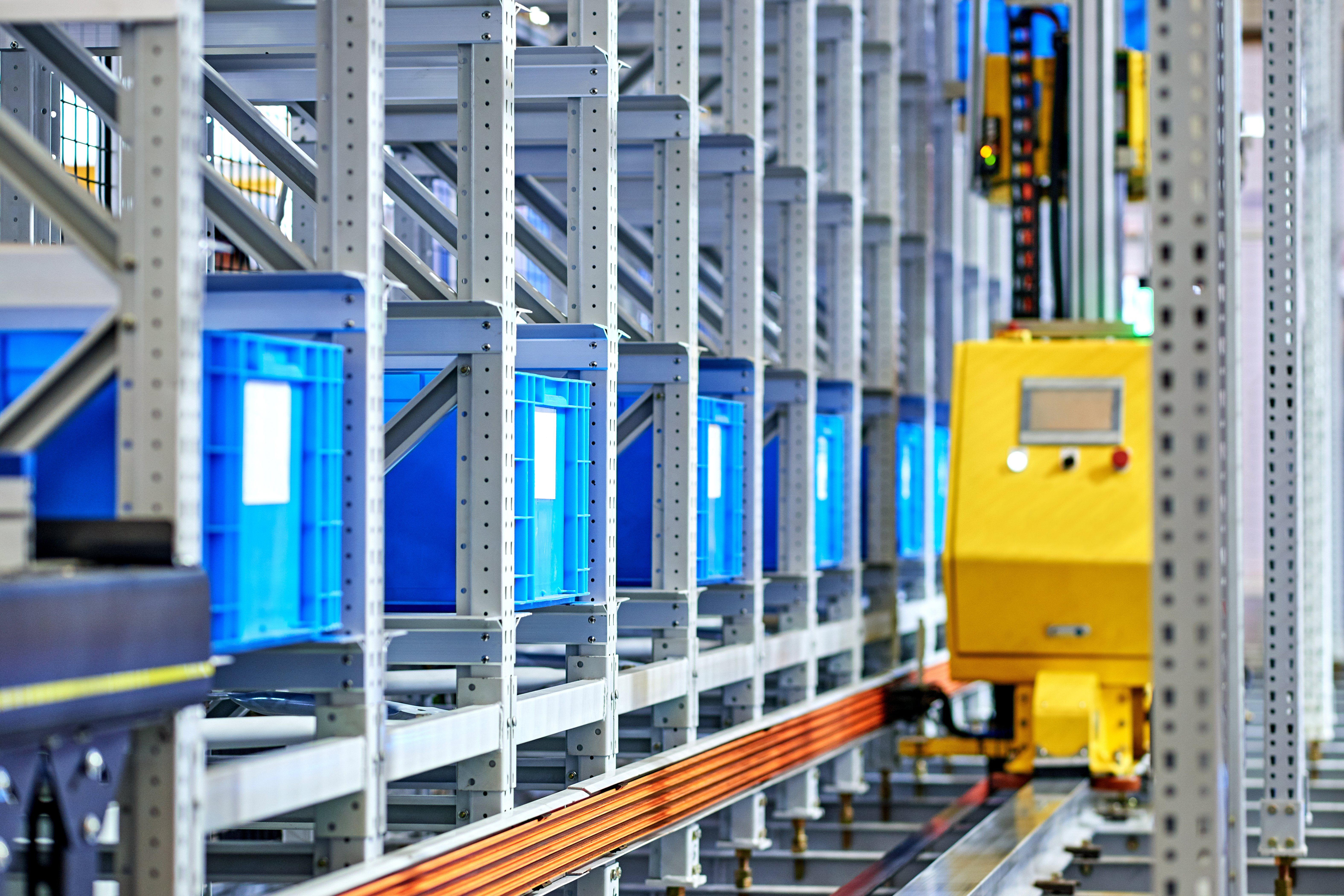
A single $50,000 AMR carries an estimated total five-year cost of ownership of approximately $84,000 when you account for maintenance, software licensing, energy, and operational overhead. That is a 68% premium over the purchase price. For a fleet of 10 mid-range units, the total five-year commitment can exceed $1 million before implementation costs are added.
Understanding this full picture is what separates companies that plan their automation investment well from those that stall mid-deployment.
A major automotive manufacturer and CHG-MERIDIAN client had already completed a full AGV transition at a European facility before expanding the program to North America. Using the same leasing structure across both regions, the company replicated the operational model without rebuilding its financing approach from scratch. The North American rollout is now underway, eliminating manned forklifts one facility at a time.
Real-World Example
The Three Ways Companies Finance Warehouse Automation
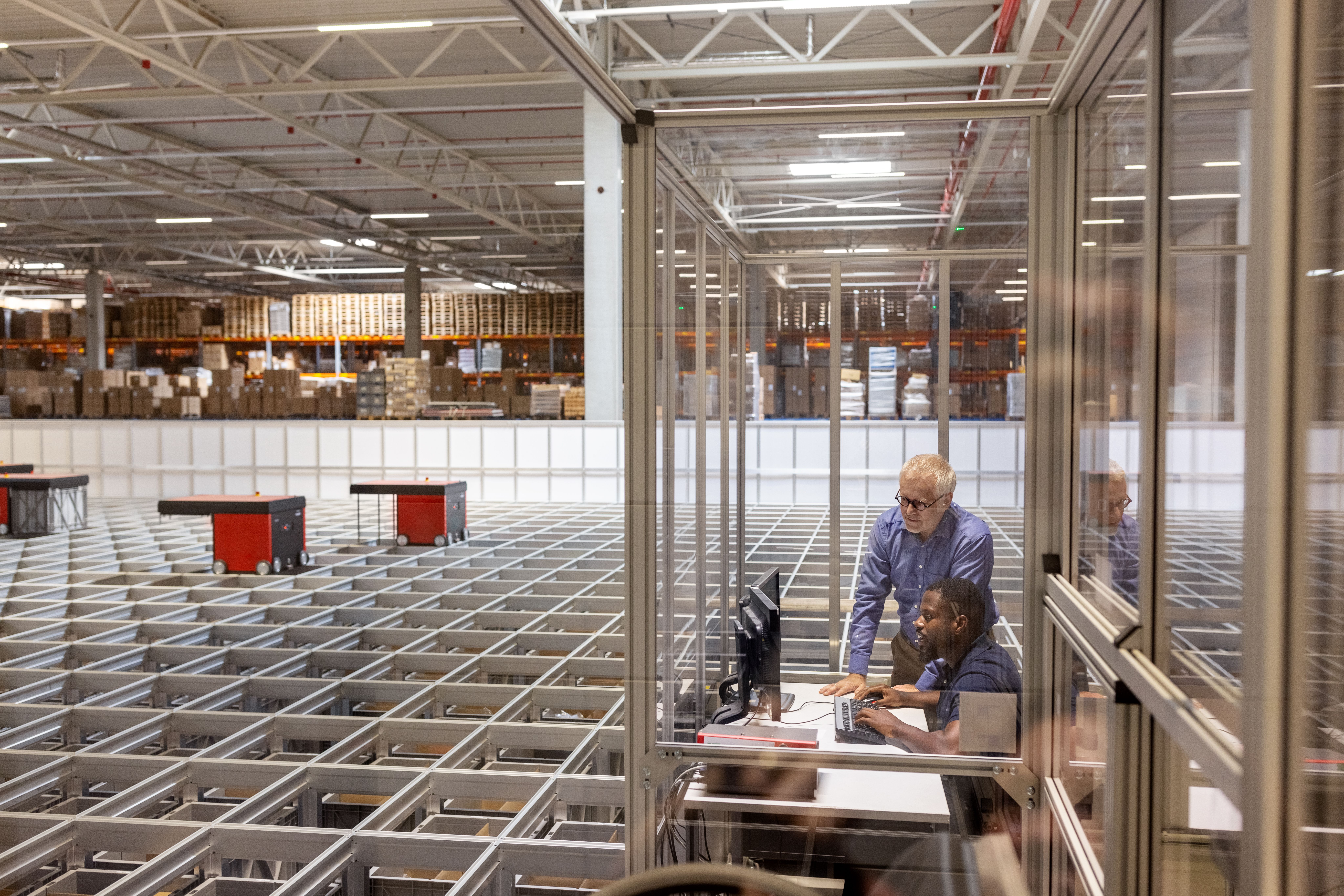
There is no single right answer to how companies finance AGV and AMR deployments. There are three primary models, each with distinct trade-offs.
1. Buy Outright
- Purchasing equipment outright gives companies full ownership and eliminates monthly payments. On paper, it is the lowest long-term cost. In practice, it requires a large capital outlay upfront, places technology obsolescence risk entirely on the buyer, and results in payback timelines that commonly stretch five to ten years. For companies with strong balance sheets and stable, long-lived workflows, outright purchase can make sense. For most, it ties up capital that could be deployed elsewhere.
2. Robot-as-a-Service (RaaS)
- RaaS models charge based on performance: per pick, per pallet moved, per operating hour. The barrier to entry is low and there is no capital commitment. The limitation is scope: RaaS is largely available for smaller, lighter robots used in goods-to-person applications. High-capacity AGV forklifts and complex AMR systems are rarely offered on a RaaS basis. Companies deploying enterprise-scale automation across manufacturing floors typically cannot rely on this model.
3. Leasing
- Leasing is the dominant financing model for enterprise-scale AGV and AMR deployments. A third-party lessor finances the hardware, the company pays a fixed monthly fee over the lease term, and the capital requirement at deployment is eliminated or significantly reduced. Leasing also shifts technology obsolescence risk: at end of term, companies can upgrade to newer equipment rather than carrying aging assets on the books.
Procurement teams re-evaluating capex versus opex commitments under tighter balance-sheet discipline are increasingly choosing leasing as the default path to automating warehouse and manufacturing operations.
"Most of the organizations we talk to have already done the operational homework. They know the technology works. What slows them down is not knowing how to structure the financing. That is usually where we start."
Simon Harrsen, EVP North America, CHG-MERIDIAN
Why Leasing Works Particularly Well for AGVs and AMRs
Leasing is a natural fit for automated equipment, and the financial logic is stronger here than it is for many other asset categories.
These Assets Hold Their Condition
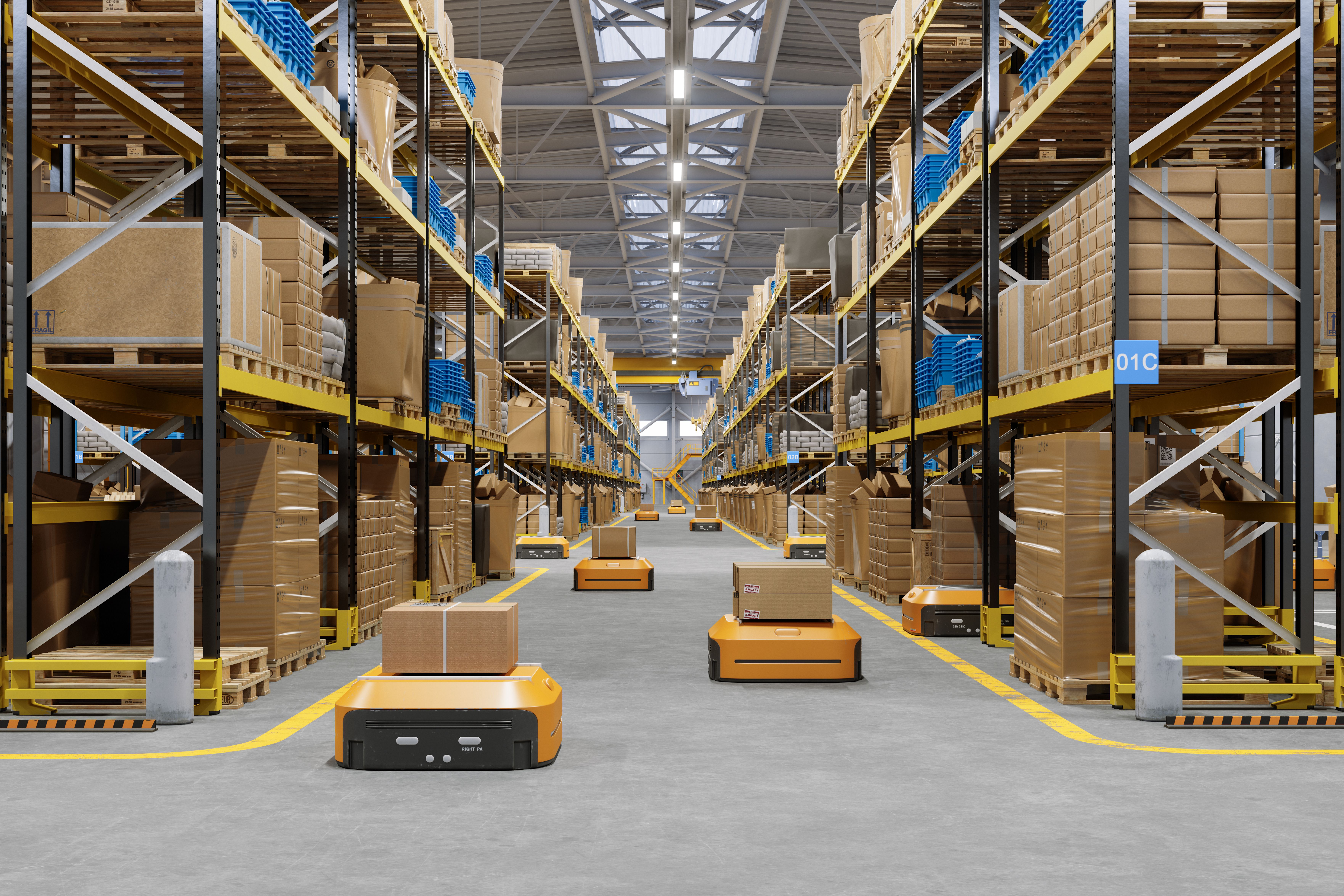
- Unlike forklifts operated by human drivers, AGVs and AMRs do not have accidents, do not experience operator misuse, and do not accumulate the damage patterns common to manned equipment. In practice, these units consistently reach the end of a 48 or 60-month lease term in good working condition. That durability supports strong residual values, which directly reduces the cost of financing.
FMV Leasing and the Residual Value Advantage
- Under a fair market value lease structure, the monthly payment is calculated against the depreciation of the asset over the lease term, not its full purchase price. The residual value, what the equipment is projected to be worth at end of term, is subtracted from the financed amount. This means lower monthly payments compared to a $1 buyout structure, which finances the entire asset value.
For a $300,000 AMR forklift deployment, the difference between financing the full value and financing only the depreciation can translate to hundreds of dollars per unit per month. Across a fleet, that is a meaningful difference in cash flow.
Leasing Compresses the ROI Timeline
- One of the most important effects of AGV and AMR leasing on return on investment is timing. Outright purchases require years of accumulated savings before the investment pays back. Leasing eliminates the upfront capital hurdle, which means operational savings from automation begin offsetting costs from the first month.
Most businesses see warehouse automation ROI within one to three years. High-utilization operations running multiple shifts can reach breakeven in under 18 months. Leasing accelerates each of those timelines by removing the capital recovery period from the equation.
48 and 60-Month Terms Align with Technology Cycles
- Standard AGV and AMR lease terms of 48 to 60 months align well with the product generation cycles in this market. At the end of the lease, companies can upgrade to current technology, renew on the same equipment, or return the units. This built-in flexibility is particularly valuable in a segment where navigation technology, battery systems, and fleet management software are all advancing rapidly.
A major beverage manufacturer used leasing to pilot an AGV program at a single 24-hour production facility. With financing in place, the company tested the technology without a large upfront commitment. The results justified expansion and the company is now rolling the program out across all of its 24-hour sites.
Real-World Example
How CHG-MERIDIAN Finances AGV and AMR Deployments
CHG-MERIDIAN offers equipment leasing for AGV and AMR deployments across manufacturers and industries. The program is built around three principles that address the most common pain points in automation financing.
Vendor Neutrality
- CHG-MERIDIAN is not affiliated with any AGV or AMR manufacturer. The company works with any OEM the client selects, whether that is a domestic integrator, a European robotics brand, or a large-scale automation platform. Clients choose the technology that fits their operation. CHG-MERIDIAN finances the hardware.
This independence matters because automation decisions are driven by operational requirements, not financing relationships. A vendor-neutral lessor does not create pressure to select a particular brand based on financing availability.
What CHG-MERIDIAN Leases
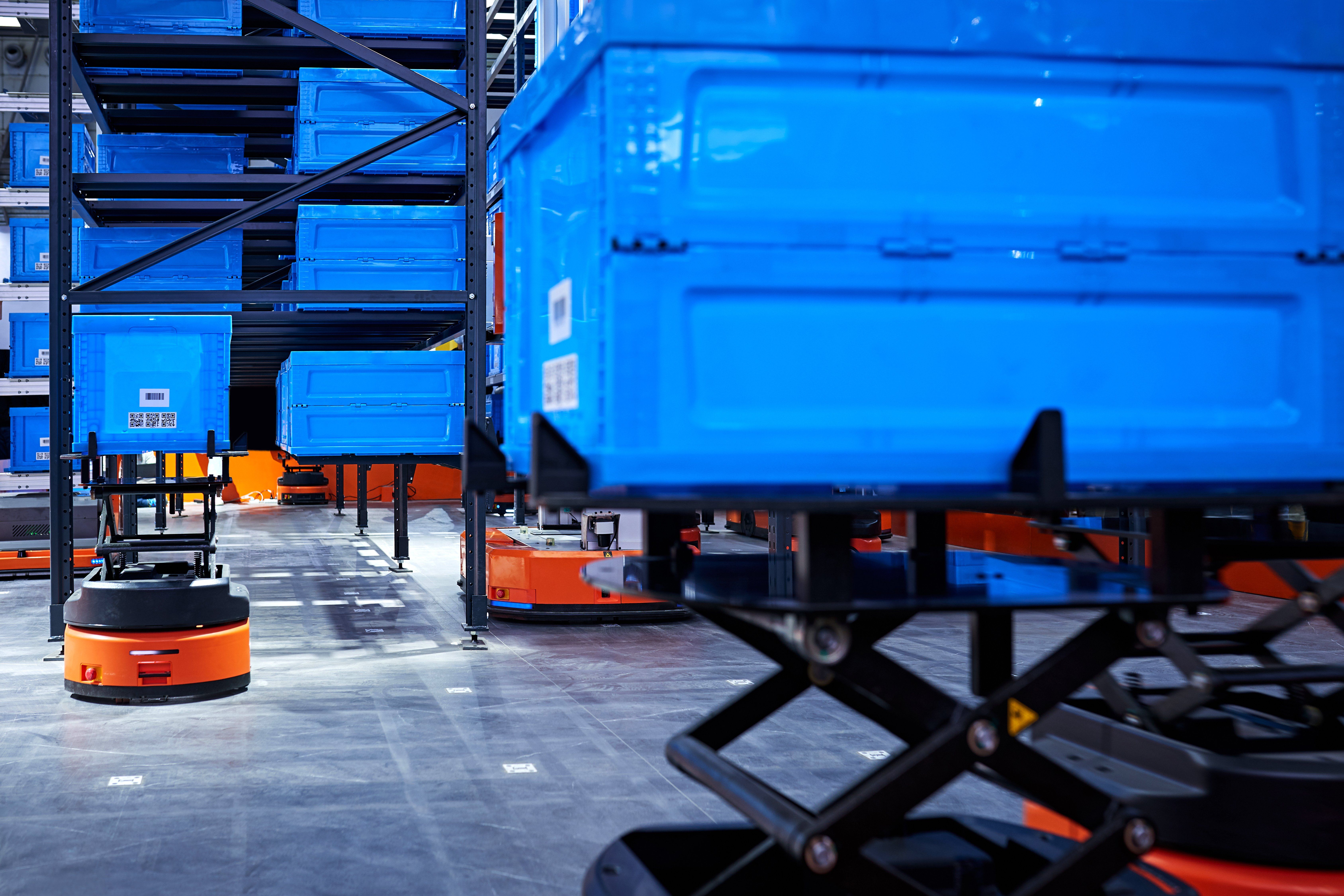
- CHG-MERIDIAN finances the physical hardware — the vehicles, batteries, and chargers — and can bundle implementation costs into the same structure. Engineering, solution design, and deployment can be included alongside the equipment under a single lease, giving companies one predictable monthly payment that covers the full project cost from day one. Software licensing and ongoing fleet management subscriptions are typically structured separately as operating expenses.
Fleet Flexibility: Start Small, Scale Strategically
- There is no minimum fleet size requirement. Some clients begin with a single unit to test the technology in their environment before committing to a broader rollout. Others, particularly companies that have already deployed AGVs or AMRs at facilities in Europe, where adoption has historically been earlier, move directly to multi-unit fleet deployments across entire departments or facilities.
How to Evaluate the ROI on Your Automation Investment
A practical AGV ROI framework does not require a complex model. It requires honest inputs across four categories.
- Hardware and lease cost: monthly payment multiplied by term, plus any upfront implementation costs
- Labor displacement savings: the annual cost of the roles the automation replaces or reallocates, including wages, benefits, overtime, and turnover costs
- Throughput gains: the value of additional output enabled by 24/7 operation and reduced cycle times
- Soft ROI: safety improvements, reduction in product damage, lower absenteeism exposure, and operational consistency
Compare your current annual cost per material move against what the automation costs per move once the lease payment, maintenance, and energy are factored in. In most warehouse automation ROI calculations, the automation wins on a per-move basis within the first year of operation. The question is how quickly you want to reach that crossover point, and leasing moves it forward.
One useful benchmark from the industry: companies that lease rather than purchase typically see positive warehouse automation ROI one to two years earlier than those that buy outright, simply because the upfront capital recovery period is removed from the calculation.
The Financing Decision Is Often the Inflection Point
AGV and AMR adoption is no longer an experimental investment reserved for the largest players in manufacturing and logistics. The technology is accessible, the operational case is proven, and the financing models exist to make deployment viable at almost any scale.
If you are evaluating an AGV or AMR deployment and want to understand how leasing structures compare to outright purchase for your specific operation, CHG-MERIDIAN can model the options.
Frequently Asked Questions
What is the difference between an AGV and an AMR?
An automated guided vehicle (AGV) follows a fixed, predefined path using magnetic strips, floor markers, or laser guidance. It is reliable and precise for repetitive, stable workflows. An autonomous mobile robot (AMR) uses onboard sensors, typically LiDAR and cameras, to map its environment in real time and navigate dynamically around obstacles. AMRs are better suited to environments where layouts change or workflows vary. Both are leased on similar terms and are often deployed together in mixed fleets.
How much does it cost to automate a warehouse with AGVs or AMRs?
Hardware costs range from $40,000 for entry-level flat-platform AMRs to $300,000 or more for complex AGV forklift systems. For every dollar spent on equipment, budget approximately 30% more for engineering, integration, and deployment. A fleet of 10 mid-range units represents a total investment of $1 million or more before implementation. Leasing eliminates the upfront capital requirement, replacing it with monthly payments typically ranging from $600 to $5,500 per unit depending on equipment type.
Is leasing or buying AGVs and AMRs better for my business?
For most enterprise operations, leasing delivers a faster path to positive ROI. Buying requires recovering the full purchase price before the investment pays back, a timeline that can stretch five to ten years. Leasing removes that recovery period. Monthly payments begin immediately, but so do the labor savings and throughput gains. High-utilization operations can reach breakeven in under 18 months under a lease structure. Buying makes more sense when workflows are highly stable, the technology cycle is long, and capital is not a constraint.
What is SLAM and why does it matter for AMR navigation?
SLAM stands for Simultaneous Localization and Mapping. It is the technology that allows AMRs to build and update a map of their environment in real time while simultaneously tracking their own position within that map. SLAM enables AMRs to navigate without fixed infrastructure like floor tape or magnetic strips, and to respond dynamically to obstacles and layout changes. It is the core capability that differentiates AMRs from traditional AGVs.
Can I lease AGVs and AMRs from a vendor-neutral lessor?
Yes. CHG-MERIDIAN finances AGV and AMR hardware independently of any manufacturer relationship. Clients select the equipment that fits their operational requirements and CHG-MERIDIAN structures the lease on that hardware, regardless of brand or OEM. Standard terms are 48 and 60 months.
What happens at the end of an AGV or AMR lease?
At the end of a standard AGV or AMR lease, companies typically have three options: upgrade to newer equipment under a new lease, renew the existing lease on the same units, or return the equipment. Because AGVs and AMRs do not sustain the wear patterns associated with manned equipment, units commonly reach end of term in strong operational condition, which supports favorable renewal terms and residual value assumptions.
How long are typical AGV and AMR lease terms?
AGV and AMR leases are typically structured at 48 or 60 months. These terms align with the technology refresh cycles in the autonomous mobile robot market, giving companies flexibility to upgrade at end of term as navigation systems, battery technology, and fleet management software continue to evolve.
Get in Touch
Simon Harrsen leads CHG-MERIDIAN's North American operations, helping organizations optimize technology investments through smarter lifecycle management. Connect with him to discuss how your business can reduce costs and increase flexibility.

Simon Harrsen
Executive Vice President, North America
Stay Connected
Learn more
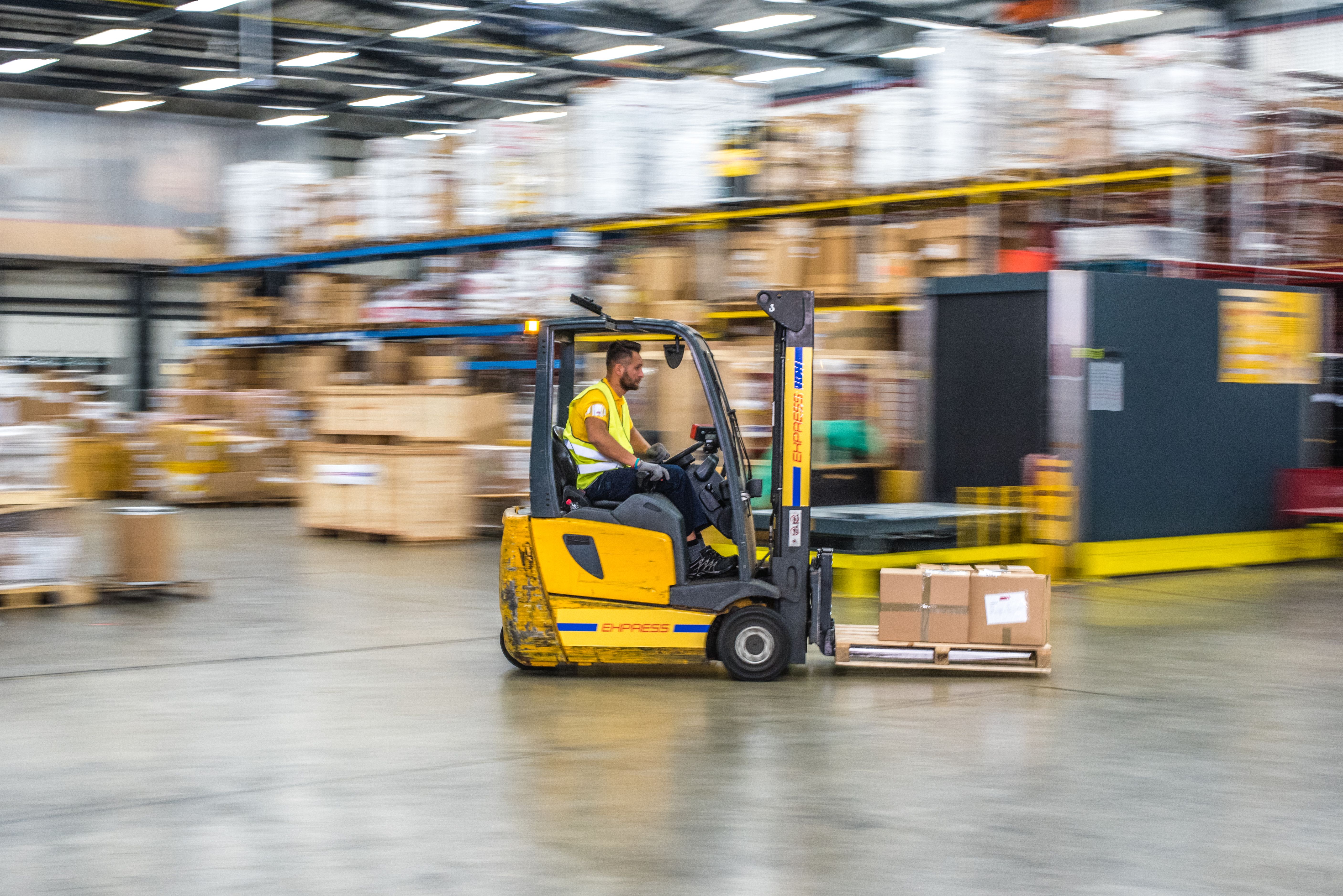 Guide: Leasing Material Handling Equipment
Leasing material handling equipment is less about financing and more about building a strategy that keeps your operation competitive without locking up capital.
Guide: Leasing Material Handling Equipment
Leasing material handling equipment is less about financing and more about building a strategy that keeps your operation competitive without locking up capital.
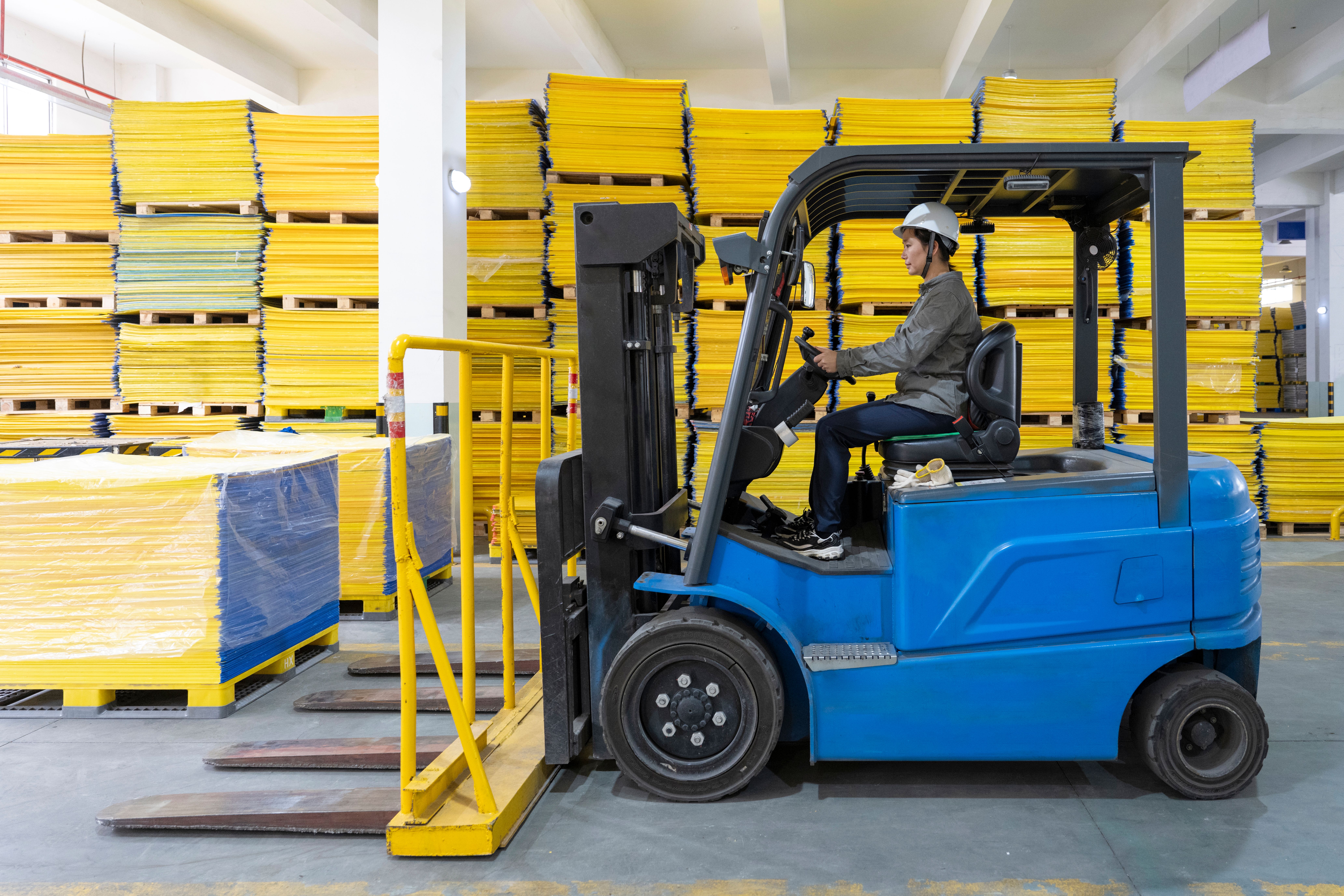 Forklift Fleet Management for Large Operations
This guide is written for operations, logistics, and procurement leaders managing material handling equipment at scale.
Forklift Fleet Management for Large Operations
This guide is written for operations, logistics, and procurement leaders managing material handling equipment at scale.
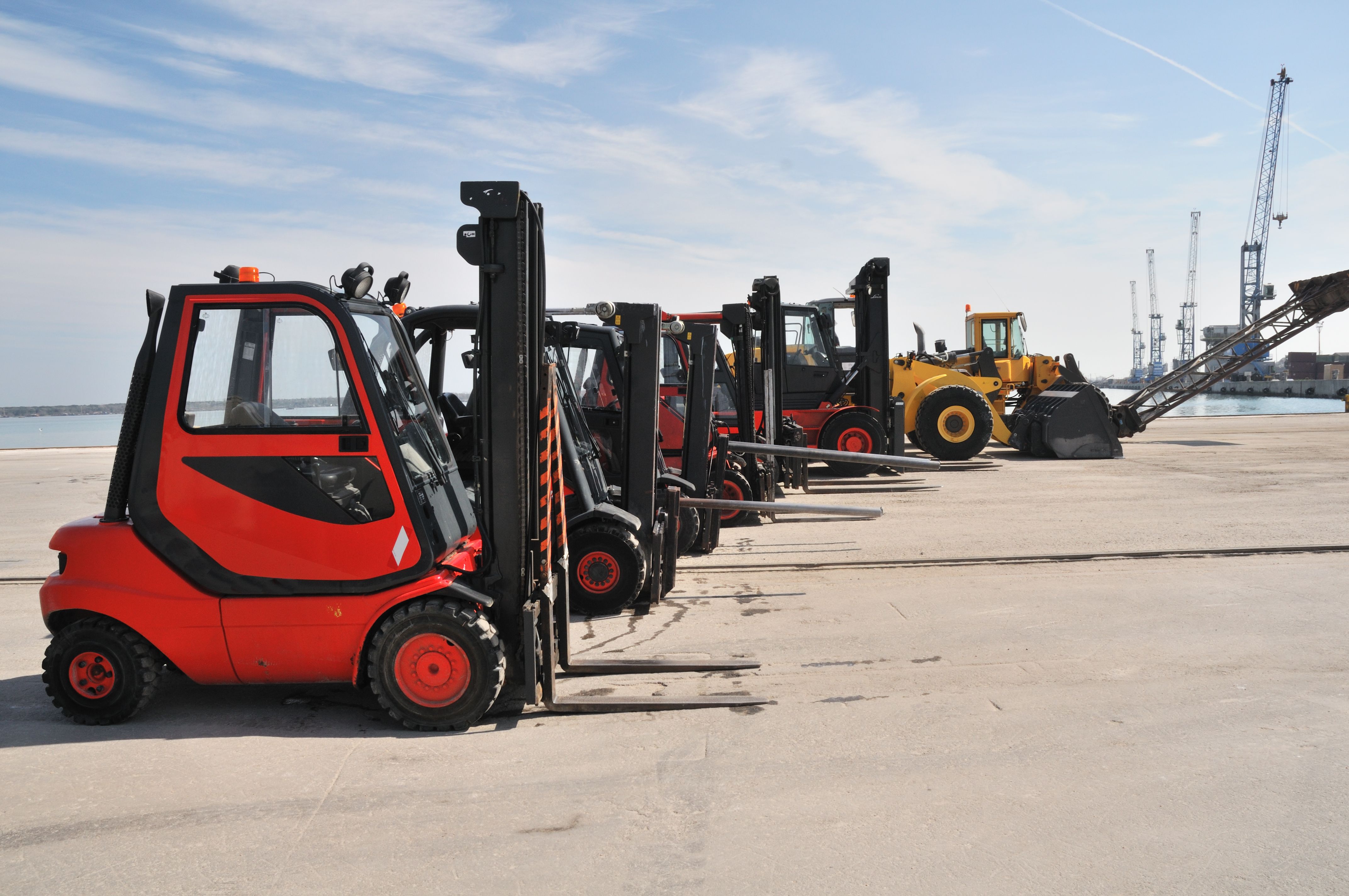 Remarketing for Industrial
What do you do with your industrial technology at the end of its useful life? Are you using the option to remarket it? Learn how to implement an efficient remarketing solution that is both cost-efficient and sustainable.
Remarketing for Industrial
What do you do with your industrial technology at the end of its useful life? Are you using the option to remarket it? Learn how to implement an efficient remarketing solution that is both cost-efficient and sustainable.